
Indoor vs. Outdoor Weddings: Curating the Perfect Atmosphere
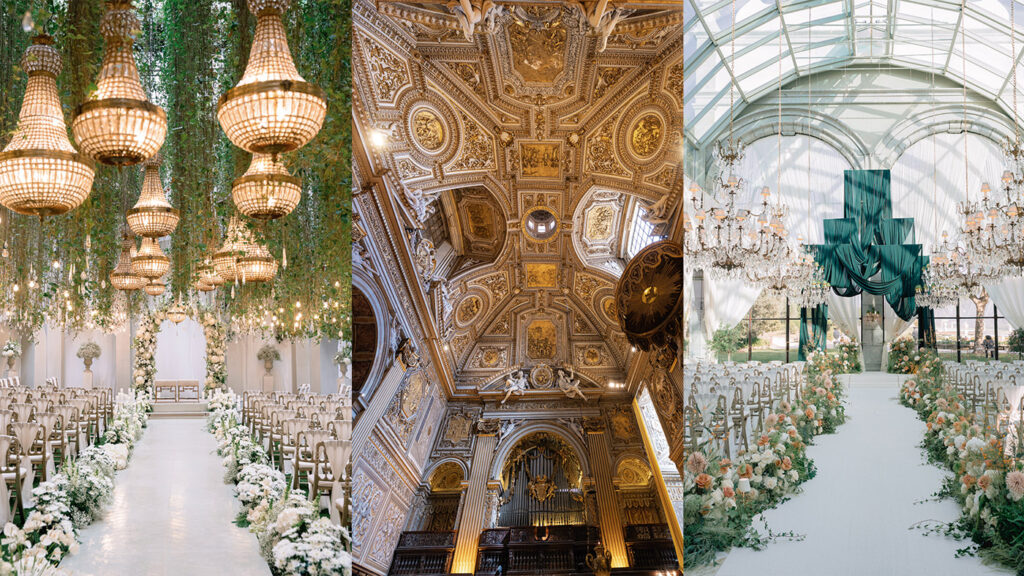
When designing a luxury destination wedding, one of the most defining decisions you will make alongside your wedding planner is whether to host your celebration indoors or under the open sky.
This choice goes far beyond logistics; it dictates the entire mood, rhythm, and visual aesthetic of your event. As visual artists, we adapt our cinematography and photography to the environment you create. Both options offer breathtaking possibilities for high-end celebrations. Here is how to navigate the aesthetic differences from an editorial perspective.
1. The Allure of the Open Air (Outdoor)
There is an undeniable, organic romance to an outdoor wedding. Whether you are exchanging vows in a meticulously manicured Italian garden or dining al fresco under a canopy of fairy lights in a Mallorcan olive grove, nature provides a living, breathing production design.
- The Visual Impact: Outdoor celebrations are defined by their expansiveness. They allow us to capture sweeping, cinematic wide shots that showcase the grandeur of your destination. The natural, ambient light of the late afternoon seamlessly transitions into the deep blues of twilight, creating a highly romantic and dynamic progression of color in your final film and gallery.
- The Luxury Rule: True luxury is peace of mind. An outdoor wedding requires a “Plan B” (such as an elegant marquee or a glass greenhouse) that is just as beautiful and well-funded as your “Plan A.”
2. The Grandeur of Architecture (Indoor)
Indoor celebrations offer a level of sophisticated, controlled elegance that is perfect for a glamorous, black-tie aesthetic. From the frescoed ceilings of a Portuguese royal palace to the opulent ballrooms of a historic estate, indoor venues provide immediate architectural gravity.
- The Visual Impact: Indoor photography relies heavily on the interplay of shadow and intentional lighting. It is inherently more moody, dramatic, and editorial. We use the symmetry of the architecture, the richness of the textures (velvet, stone, gold leaf), and directional light to create portraits that feel like classic Renaissance paintings.
- The Luxury Rule: To elevate an indoor reception, invest heavily in professional lighting design. Avoid harsh overhead lighting or pure white LEDs; instead, opt for an abundance of warm candlelight, crystal chandeliers, and subtle amber uplighting to create a flattering, cinematic glow.
3. The Photographer’s Perspective on Light
From our perspective behind the lens, the primary difference is light control. Outdoors, we are dancing with the sun, utilizing natural diffusers like clouds and the golden hour. It feels spontaneous and airy. Indoors, we become sculptors of light. We rely on the ambient glow of your venue, occasionally supplementing with our own subtle, cinema-grade lighting to ensure your skin tones remain flawless and the atmosphere feels rich and luxurious.
4. The Ultimate Luxury: The Hybrid Approach
You do not necessarily have to choose just one. The most meticulously curated luxury weddings often employ a hybrid approach to pace the guest experience. You might host your ceremony in a sun-drenched botanical garden, transition to an open-air courtyard for the cocktail hour, and finally guide your guests into a magnificent, candlelit ballroom for a formal dinner and high-energy dancing. This progression provides a stunning variety of aesthetic backdrops for your visual legacy.
Documenting Your Chosen Canvas
Whether your vision includes the Mediterranean breeze or the timeless elegance of a historic palace, your celebration deserves to be captured with an editorial eye. If you value a team that masters both natural and architectural light, we would be honored to preserve your legacy.


