Author: paulo

Destination Wedding in Portugal — Why Couples Choose It

Destination Wedding in Portugal — Why Couples Choose It

But why Portugal? What draws couples to this particular corner of Europe when they could choose anywhere?


It Feels Like Home, Even If You’ve Never Been

Portugal has a particular quality: it feels familiar and exotic simultaneously. The architecture is European but distinct. The light is warm and golden. The pace is relaxed without feeling provincial. International couples arrive and immediately feel welcome — not as tourists, but as guests being celebrated.

There’s a warmth to Portuguese hospitality that translates into the wedding experience. Your coordinator feels like a friend. Your venue manager takes genuine interest in your day. Your guests feel the difference.


Accessibility Without Sacrifice

Lisbon is two hours from most of Europe by flight. TAP Air Portugal offers competitive pricing and direct connections from across the continent. Yet despite being accessible, Portugal hasn’t been overdeveloped or commercialized in the way that some destination wedding hotspots have. You get ease of travel without the sense of arriving at a fully packaged resort destination.


Variety in One Region

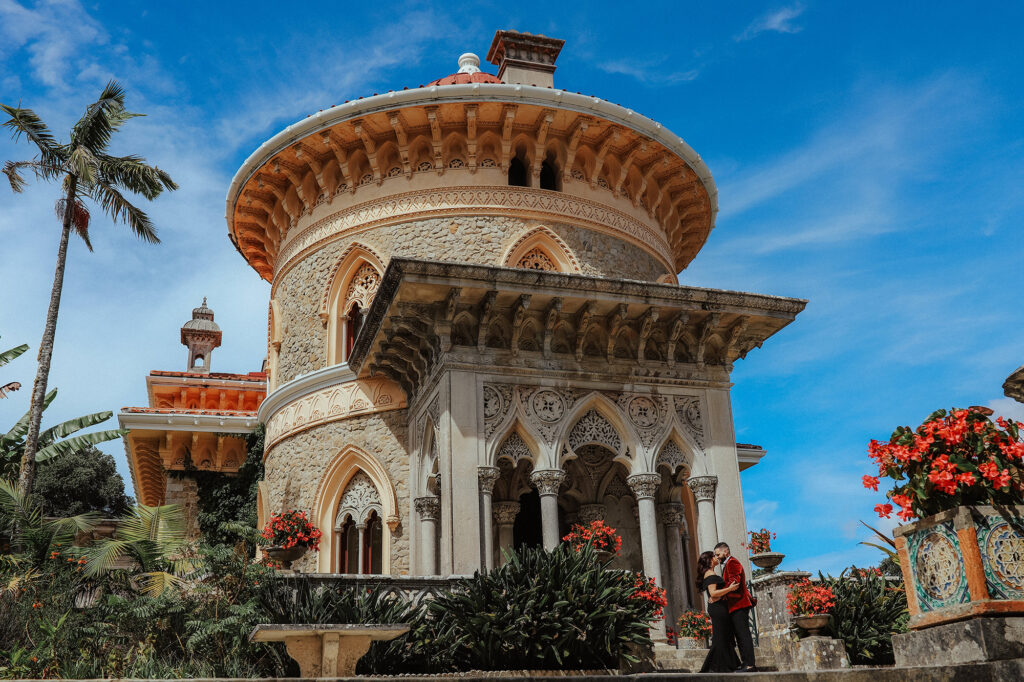
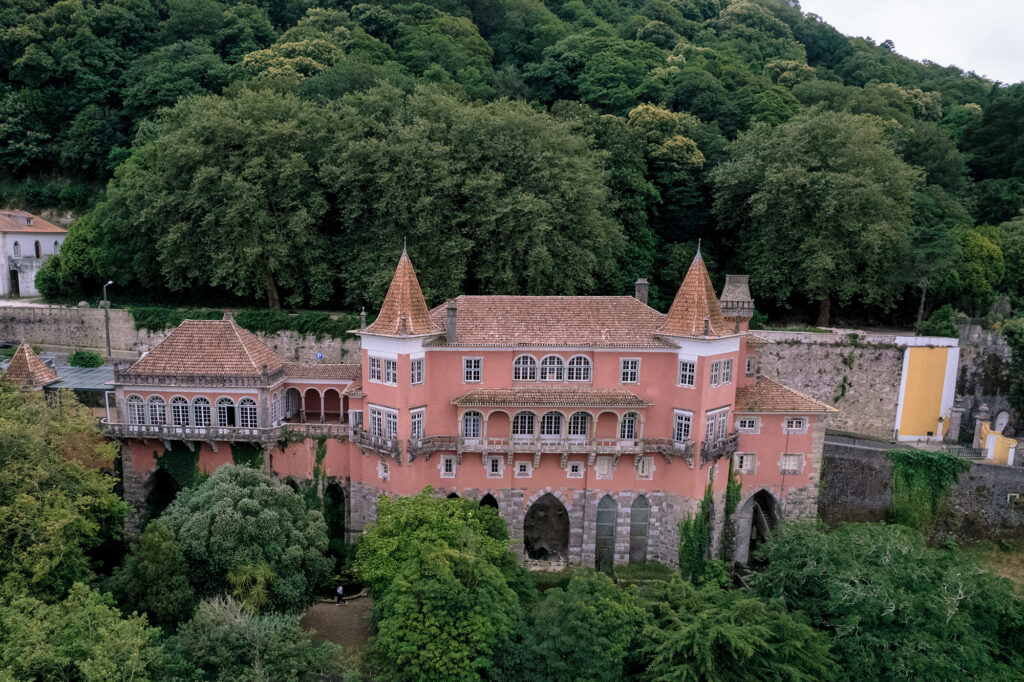
Where else can you move from urban sophistication to coastal drama to mountain mystique all within a 90-minute drive? Lisbon offers contemporary elegance. The coast offers Atlantic drama. Sintra offers fairytale romance. The Douro offers wine-country sophistication. Couples can choose their aesthetic and their guest experience from an extraordinary range without ever leaving the country.


Cost-Effectiveness

Portugal’s venues and services cost significantly less than equivalent options in France, Italy, or Spain. This doesn’t mean your wedding feels budget-conscious — it means you get more for your investment. A luxury estate wedding that would cost €80,000 in Tuscany might cost €40,000 in the Douro Valley, with the same level of quality and sophistication.


Year-Round Weather

While summer is peak season, Portugal’s climate allows for beautiful weddings spring through autumn. Lisbon and the coast enjoy over 300 days of sunshine annually. Even Sintra’s cooler, greener hills have their own romantic appeal. This flexibility in timing gives couples options that most destinations simply don’t offer.


Visual Beauty That Photographs Extraordinarily Well

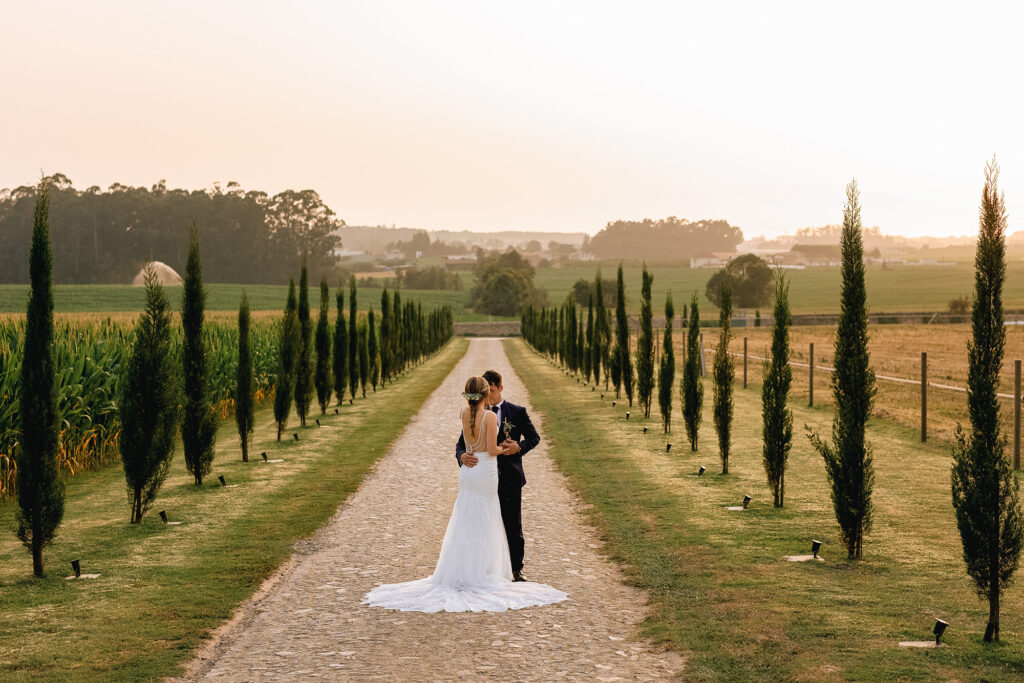
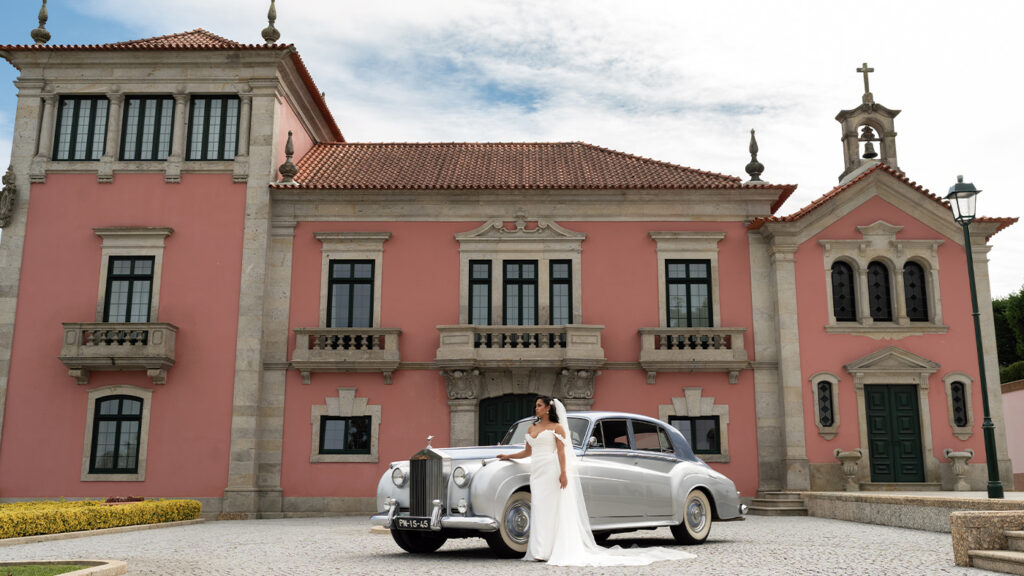
This matters more than couples sometimes realize. Portugal’s light, architecture, landscape, and color palettes are inherently photogenic. Azulejos (traditional tiles) create patterns and color. Coastal cliffs glow golden during sunset. Vineyards create geometric beauty. Historic palaces provide grandeur. Your photographs don’t require editing magic — the raw material is simply beautiful.


Authentic Culture Without Tourist Exhaustion

Your guests will experience genuine Portuguese culture: traditional restaurants serving exceptional food, markets selling local produce, villages where life continues at a human pace. Yet they won’t feel like they’re performing tourism. They’re simply experiencing a different way of living.


A Smaller Country, Easier Logistics

Everything is close. Your ceremony venue and reception venue can be dramatically different places, yet a 20-minute drive apart. Your guests can stay in one region and explore three others without excessive travel. Coordination is simpler because distances are manageable.


International couples choose Portugal because it delivers on every level: beauty, accessibility, value, variety, and genuine warmth. It’s a destination that works perfectly for a wedding — which is precisely why so many couples, once they discover it, choose to celebrate their marriage here.

The Most Romantic Wedding Moments We’ve Captured

The Most Romantic Wedding Moments We’ve Captured

These are the moments that couples don’t plan. They simply happen. And when they do, they’re transcendent.


The First Look That Isn’t Planned

It’s never the formal first look we’ve arranged. It’s the moment before — when one partner walks around a corner and catches their first genuine glimpse of the other, before anyone has said “now look.” The recognition. The gasp. The hands going to their face. The moment someone realizes they’re about to marry their person, and the weight and joy of that hits them all at once.


The Vows Where Someone Breaks

Not the carefully prepared vows read from cards. The moment when someone’s voice cracks mid-sentence because they’re suddenly overwhelmed by the reality of what’s happening. When they stop speaking, take a breath, and continue. When their partner reaches out and holds their hand. When everyone in the room holds their breath with them.


The Quiet Moment Before the Reception

That five minutes when the ceremony has ended, guests have moved to cocktail hour, and the couple steals a moment alone. Standing in an empty chapel. Sitting on the edge of a terrace. Just breathing together. No photos planned. No one watching. Just them, remembering they’re now married, and that’s extraordinary.


When a Parent Cries Openly

Not delicate tears. Real crying. A father realizing he’s watching his daughter walk toward her own life. A mother understanding her child has become someone’s chosen family. A parent who sacrificed for years now witnessing the result of those sacrifices in their child’s joy. Those tears are the truest emotion at any wedding.


The Moment Someone Dances Without Thinking

Not the choreographed first dance. The moment two hours into the reception when someone forgets they’re being watched, forgets they’re careful about their movement, and simply dances. Usually it’s someone who wouldn’t be expected to — a grandmother, an uncle, someone who suddenly decides joy is more important than self-consciousness.


The Glance Between Partners During the Reception

When something funny happens at someone else’s table, and they catch each other’s eye across the room. That moment of shared amusement and understanding. It’s intimate and private despite being surrounded by people. It says: you and me, we get this together.


The Hug That Lasts Slightly Too Long

When someone hugs the couple goodbye at the end of the night and neither of them lets go first. When it’s clear they’re not just saying goodbye to a wedding, they’re saying goodbye to a moment in time that mattered. When everyone understands that something has shifted and can never be the same again.


The Unguarded Portrait

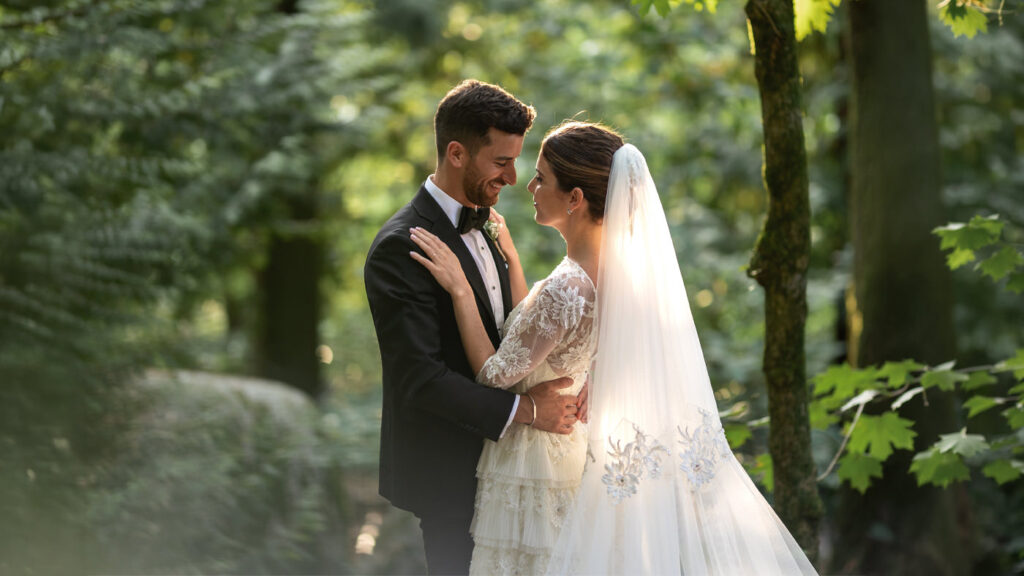
Not the posed photograph. The moment when someone is genuinely laughing about something that happened hours ago. When they’ve forgotten the camera exists. When their joy is so authentic that no amount of professional photography technique can improve the honesty of the image.


Why These Moments Matter

These are the moments that reveal what’s real. Not the production of the wedding — the flowers, the décor, the coordination — but the actual human experience beneath it. The love. The commitment. The vulnerability of choosing someone. The joy of being chosen back.

This is why we show up with cameras. Not to document what was planned, but to witness what was felt. Not to choreograph moments, but to capture the ones that emerge when everyone is brave enough to be genuinely present.

Film vs Digital — The Aesthetic Choice

Film vs Digital — The Aesthetic Choice

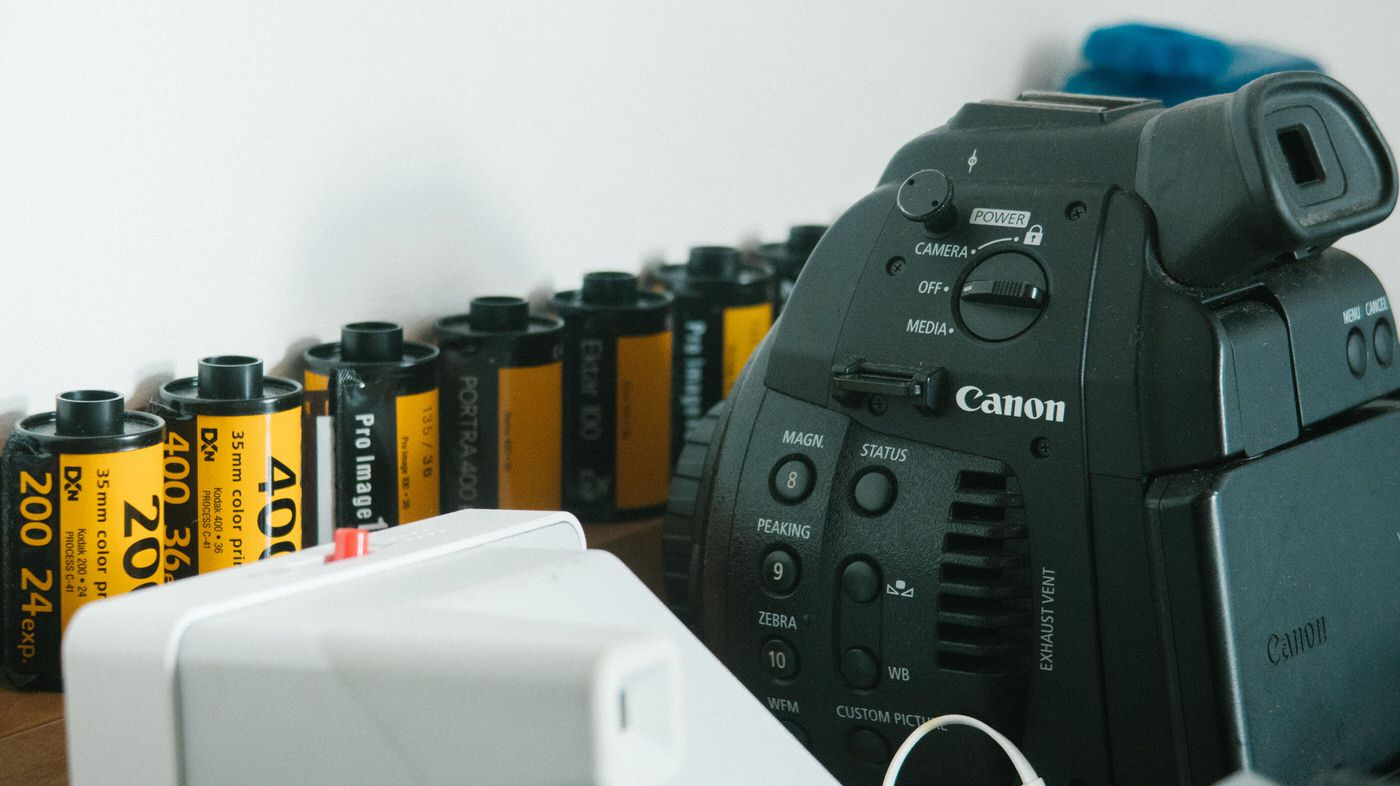
A wedding shot on film looks like a film wedding. A wedding shot on digital looks like a digital wedding. The choice shapes how you’ll remember your day.


Film Aesthetics

Film has softer highlights, more forgiving shadows, a particular way of rendering colour. Film grain adds texture and character. Skin tones rendered on film feel warmer, softer, more romantic. There’s something timeless about film aesthetics.

Film also has limitations: specific colour temperatures, limited ISO flexibility, the need for precise exposure. These constraints actually create character.


Digital Aesthetics

Digital offers precision, flexibility, instant feedback. You can see immediately what you captured. Digital can be incredibly sharp and detailed. Modern digital colour rendering is beautiful and nuanced.

Digital can feel clinical if not carefully processed, but in skilled hands, digital colour grading can be gorgeous.


The Nostalgia Factor

Film carries nostalgia. It feels retro, timeless, romantic. Some couples choose film precisely because it evokes that feeling. But be honest: do you love film aesthetics, or do you love the idea of film?


Practical Considerations

Film requires developing and scanning. This adds time and cost. Digital files are immediately available. Film has fewer exposures per roll, which changes how photographers work. Digital allows for flexibility that film doesn’t.


Hybrid Approach

Many photographers shoot digital but intentionally grade images to have film-like qualities. This gives you the best of both: the flexibility and immediacy of digital with the aesthetic of film.


The Decision

If you’re drawn to film aesthetics, discuss this with your photographer. Do they shoot film? Do they shoot digital with film-like processing? What does the difference cost? What does it look like?

Don’t choose based on trend. Choose based on what aesthetic you genuinely love and will love revisiting for decades.

Why We Limit the Number of Weddings We Shoot

Why We Limit the Number of Weddings We Shoot

Quality requires presence. Presence requires energy. Energy requires recovery. The math is simple: more weddings means less presence at each wedding.


Emotional Labour

Wedding photography is emotionally demanding. You’re present for one of the most important days of someone’s life. You carry the weight of that responsibility. You’re reading emotions, managing logistics, creating art, all while staying present for the couple.

Do this 50 times a year and you’re emotionally depleted by December. The couple at your December wedding gets a photographer running on fumes.


Creative Energy

Creating beautiful photographs requires creative energy. When you’re photographing your 40th wedding of the year, your creative reserves are lower than when you’re photographing your 15th.

The best photographers save their creative energy for the weddings they commit to. This results in better photographs.


Uniqueness of Each Day

Every wedding deserves to be approached as unique. Not as another Saturday. But when you’re shooting 40+ weddings a year, the risk of falling into patterns is high. Patterns create repetitive photographs.

Limiting weddings allows photographers to approach each one with fresh perspective.


Technical Excellence

Staying on top of new equipment, new techniques, new creative directions requires time and energy. When you’re constantly booked, this learning falls away. You become technically stale.

The best photographers invest in staying excellent. This requires time.


Intentional Client Selection

When you’re not desperate to book every wedding, you can be selective about clients. You can choose couples whose vision aligns with yours. You can decline misalignments. This results in better collaborations and better photographs.


Quality Over Quantity

The goal of a professional photographer isn’t to photograph as many weddings as possible. It’s to create exceptional photographs. These are opposing goals.

A photographer who books 15-20 weddings a year can devote genuine attention to each. A photographer who books 50+ is prioritizing quantity.


Post-Production Time

Editing thousands of photographs is time-intensive. Delivered photographs should be individually edited with intention, not batch-processed. This requires time.

Limiting weddings means each photograph receives attention it deserves.


What to Look For

When hiring a photographer, ask how many weddings they shoot per year. If they’re booked every single weekend, their availability might be attractive, but their presence at your wedding is compromised.

A photographer who’s selective about bookings has more to give to you.

Black & White Wedding Photography

Black & White Wedding Photography

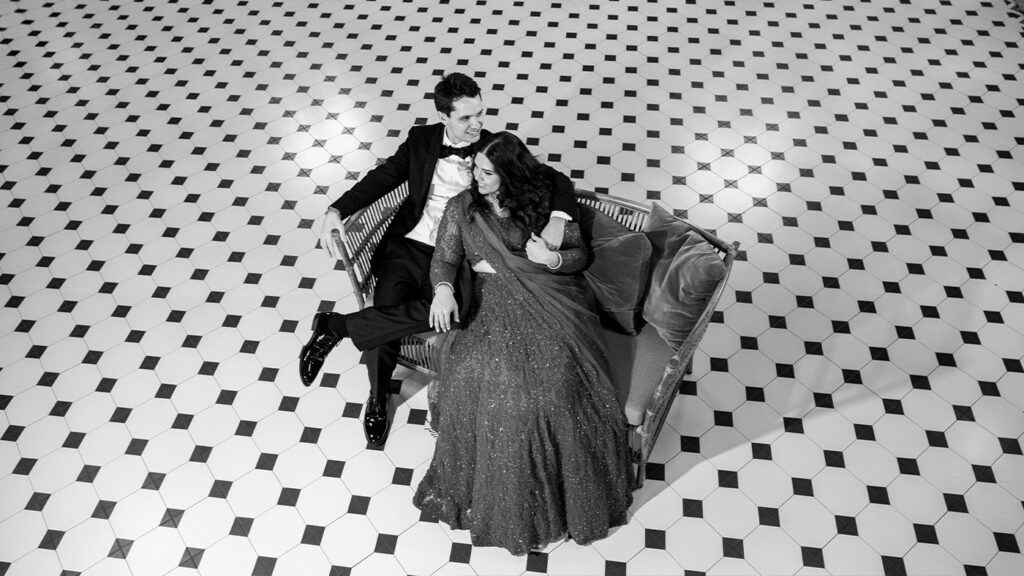
In a world of colour, choosing black and white is a choice to emphasize something deeper: the substance of your story rather than its surface.


Why Black & White

Colour can distract. A clashing bridesmaid dress, an awkward ceremony backdrop, harsh light creating strange skin tones — colour reveals imperfections. Black and white erases these distractions. What remains is pure emotion.

Black and white also feels intentional. It says you’re choosing timelessness over fashion. You’re choosing story over spectacle.


Emotion Over Context

Without colour, faces become more expressive. Eyes intensify. The curve of a smile becomes more significant. The composition of a frame becomes more important because colour isn’t doing the work.

This is why black and white photographs of tears, laughter, love — these feel more emotional than their colour equivalents.


Contrast and Composition

Black and white photography demands strong composition. Without colour to hold interest, light and shadow must carry the image. This means black and white images often have stronger form, clearer visual structure, more dramatic impact.


Timelessness

Black and white photographs don’t age. Colour photographs become dated — the fashion, the colour grading of the era, the technology. Black and white? A black and white photograph from 50 years ago looks as beautiful and relevant as one from today.


Black & White + Colour

Many couples do both: black and white and colour photographs from the same moments. This gives you options. Colour for albums, family sharing, social media. Black and white for wall prints, for moments where emotion matters most.


The Art of the Conversion

Not all black and white conversions are equal. A well-converted black and white image has intentional contrast, luminosity that serves the image, texture that enhances emotion. A poor conversion feels flat and lifeless.

Discuss this with your photographer. Ask how they approach black and white conversion. Ask to see examples.


When Black & White Shines

Black and white is particularly powerful for: intimate moments, portraits, emotional moments, environmental storytelling where the place matters less than the feeling, and moments of connection between people.


A Choice, Not Default

Black and white should be a deliberate choice, not a default. Some moments demand colour. Some demand black and white. A photographer who understands both can guide you toward what serves your story best.

When you choose black and white intentionally, the results are transcendent.

Cinematic Wedding Films — What Makes Them Different

Cinematic Wedding Films — What Makes Them Different

Wedding videos document: they record the ceremony, the speeches, the dancing. Cinematic films tell a story. They have structure, intentional pacing, artistic choices. They transform your day into something that transcends the event itself.


What Makes a Film Cinematic

Cinematography is the first element. Cinematic films use camera movement, beautiful composition, colour grading that serves the story. They’re shot on cinema cameras or high-quality video equipment. The image itself is beautiful.

Sound design is equally important. Cinematic films use music intentionally. Natural sound is recorded and mixed with intention. Dialogue is clear. The soundtrack becomes part of the storytelling.


Structure and Pacing

A cinematic film has intentional structure. It might open with beauty shots of the location. It builds through the day, hitting emotional peaks at key moments. It resolves with the journey into your new life. The pacing is intentional: moments of breathlessness, moments of quiet.


The way a film is graded (colour-corrected and enhanced) dramatically affects its feel. Cinematic films have intentional colour palettes. Golden hues for romance. Cool tones for quiet moments. Grading that serves the emotion, not generic settings.


Storytelling Elements

Cinematic films capture details, transitions, reactions. Not just the ceremony, but the getting ready. Not just the first dance, but the way you look at each other. Not just the speeches, but your parent’s emotions. These story elements create depth.


Music as Character

In a cinematic film, music isn’t background. It’s a character that shapes emotion. The choice of music, the way it builds, the moments it crescendos — these create emotional arc.


Technical Excellence

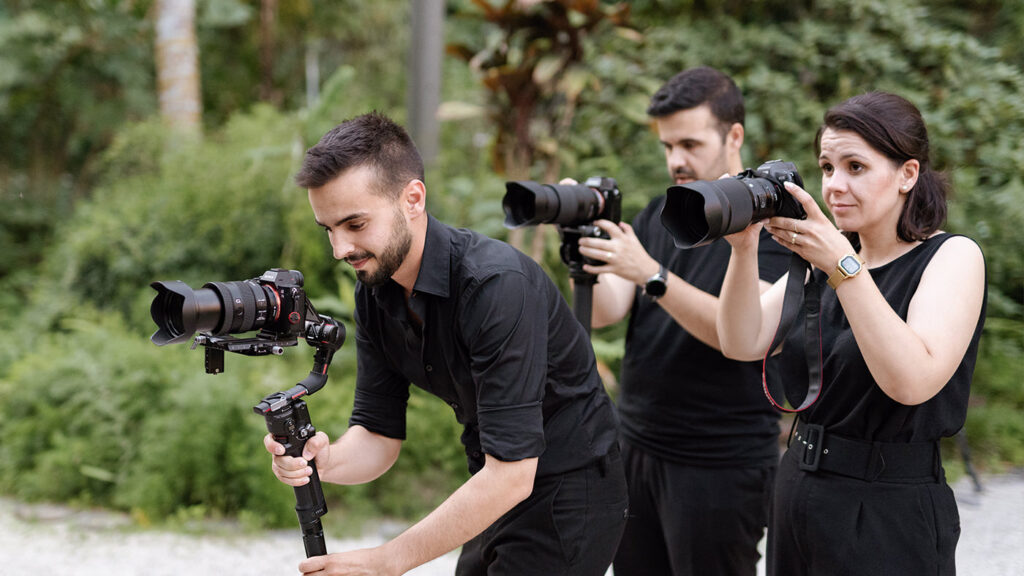
Cinematic films require technical skill. Multiple camera angles, stable shots, smooth transitions. Proper audio recording. Colour grading software and expertise. This isn’t amateur videography; it’s filmmaking.


Length and Format

A cinematic film might be 5-7 minutes for the main film, with shorter highlight reels for social media. But even 5 minutes of intentionally crafted film tells a complete story.


Why Cinematic Matters

Your wedding day is significant. You want to remember it accurately, yes, but you also want to experience it artistically. A cinematic film allows you to relive your day not as documentation but as a work of art. You can experience the emotions again, revisit moments with fresh perspective, share something beautiful with people you love.


Choosing a Cinematic Filmmaker

Look for filmmakers who think like directors, not just videographers. Ask to see complete films, not highlight reels. Watch how they structure a story. How they use music. How they handle emotion.

A cinematic film is as important as photography. Choose your filmmaker with the same care you choose your photographer.

Getting Married in Douro Valley

Getting Married in Douro Valley

For destination weddings, Douro Valley offers something unique: a celebration in one of the world’s most picturesque wine regions, where every moment feels like a scene from a film.


Why Douro Valley

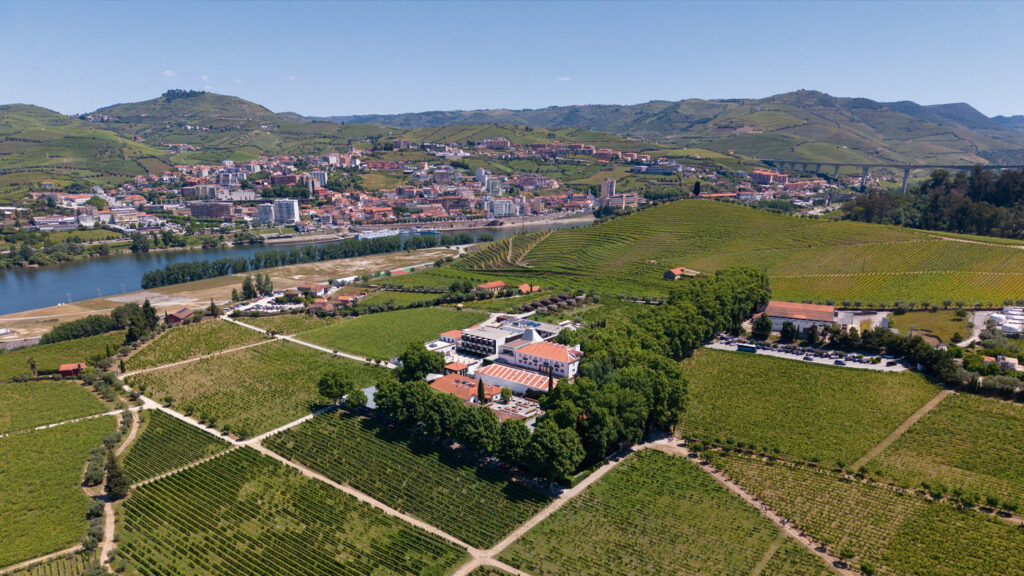
Douro Valley combines natural beauty with sophistication. Guests arrive at Porto airport and drive into UNESCO World Heritage landscapes. They stay in luxury quintas (wine estates), wake to vineyard views, experience authentic Portuguese hospitality.

For photographers, Douro Valley is transcendent. The terraced vineyards create layers of visual interest. The winding river creates drama. Golden hour light transforms the entire landscape into something ethereal.


Quinta Venues

Historic wine estates (quintas) throughout Douro Valley have been converted into wedding venues. These properties maintain their working vineyards while offering event spaces ranging from intimate courtyards to grand wine cellars converted into celebration spaces.

Imagine your ceremony among the vines, your reception in a centuries-old wine cellar, your celebration continuing under stars with the vineyard stretching into darkness around you.


River-Based Celebrations

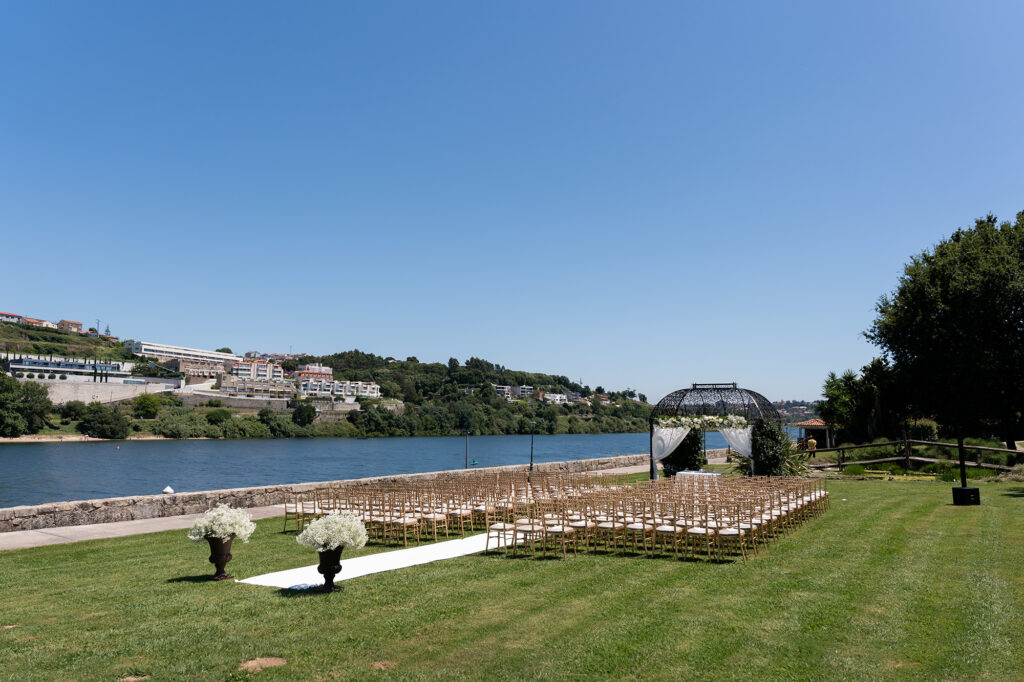
Some venues sit directly on the Douro River or with dramatic river views. Ceremonies overlooking the water, receptions on riverside terraces, boat tours as pre-celebration experiences. The river becomes part of your storytelling.


Village Venues

Historic villages throughout the valley have been converted into event spaces. Stone buildings with modern interiors, preserved architecture with contemporary amenities. These venues feel authentically Portuguese while offering all the comforts and logistics your guests expect.


Wine and Experience

A Douro Valley wedding isn’t just a celebration; it’s a multi-sensory experience. Wine tastings before or after the wedding. Vineyard tours. Traditional Portuguese meals. Your guests experience something beyond a typical destination wedding.

Many couples build their weddings around the wine itself: wine pairing ceremonies, wine-focused receptions, vineyard experiences woven throughout.


Seasons in Douro

Harvest season (September-October) brings special energy. Vines are heavy with grapes. Workers move through the vineyards. The entire valley pulses with activity and purpose. Other seasons offer quieter beauty, but harvest feels alive.

Spring (April-May) and autumn (September-October) offer the most comfortable temperatures and dramatic light. Summer is hot but offers long daylight for golden hour celebration.


Photography in Douro Valley

The layered vineyards create infinite visual depth. The winding river creates natural leading lines. Ancient villages create textured backdrops. And the golden light… Douro Valley light is a photographer’s dream.

Plan couple portraits among the vines. Plan family photos with terraced vineyards receding into mist. Plan your timeline around golden hour when the entire landscape glows.


Logistics

Douro Valley venues are often remote, which creates drama but requires planning. Ensure your photographer has experience with rural logistics. Verify transportation between venues. Plan timing carefully. The remoteness that creates beauty also requires intentional coordination.


The Experience

A Douro Valley wedding is about creating memories in one of the world’s most beautiful places. Your guests won’t just attend a wedding; they’ll experience Portugal at its most romantic and authentic. They’ll taste extraordinary wine. They’ll sleep in centuries-old estates. They’ll return home with stories as rich as the wine.

If you’re seeking something deeply romantic and distinctly Portuguese, Douro Valley is perfection.

The Art of Wedding Storytelling

The Art of Wedding Storytelling

Great wedding photography tells this story. It captures not just what happened, but how it felt. It reveals the arc of your day and transforms individual moments into a coherent whole.


Structure Matters

Every story needs structure. A wedding day has natural structure: anticipation in the morning, the ceremony (climax), celebration through the day, and the journey into your new life. A photographer who understands this structure can weave your photos into a compelling narrative.


Authenticity Over Perfection

The best wedding stories come from authentic moments, not posed arrangements. The nervous laugh before the ceremony. The tears during vows. The genuine joy when guests see you married. The quiet moment between you two before the reception begins.

These moments aren’t planned. They can’t be replicated. But they’re where the real story lives.


Light as Character

In storytelling, light becomes a character itself. Golden light creates intimacy and romance. Overcast light feels contemplative. Rain creates drama. A skilled photographer uses light to shape the emotional tone of your story.


Details Reveal Character

The details of your day — your flowers, your dress, your partner’s hands, your parents’ expressions — these details reveal who you are. They show what matters to you. A photographer who captures these details writes your personality into the story.


The In-Between Moments

The best story moments often happen between the “official” moments. Between taking family photos. While getting ready. After the reception, walking together. A photographer who captures these transitions tells a richer story than one who only captures posed moments.


Emotion Over Scenery

A beautiful venue is lovely. But the real story lives in emotion. How you look at each other. How your mother cries during the ceremony. How your best friend laughs. How your partner’s hands tremble during vows. Emotion is the soul of your story.


Pace and Rhythm

A well-told story has pace. It builds. It breathes. It has quiet moments and intense moments. An album (or film) that captures this rhythm is more engaging than one that’s all intensity or all calm.


Your Unique Story

There’s no generic wedding story. Your story is unique because you’re unique. You have a particular way of loving. A particular sense of humour. A particular history together. The best wedding photography doesn’t impose a narrative; it reveals yours.


The Photographer as Storyteller

When you’re hiring a photographer, you’re hiring a storyteller. Look at their work. Does it feel like a story, or like scattered moments? Can you feel the emotion? Can you understand what matters to the couple?

A photographer who understands storytelling doesn’t just take photos. They weave them into something meaningful.

Understanding Wedding Photography Contracts

Understanding Wedding Photography Contracts

A good contract is clear, fair, and specific. It prevents misunderstandings and provides recourse if problems occur.


What Should Be Included

A complete photography contract should include: the photographer’s name and contact information, your names and contact information, the wedding date and location, hours of coverage, what’s included in the package, prices and payment terms, cancellation and rescheduling policies, image usage rights, how files are delivered, image retention (how long photographer keeps originals), and any terms about re-bookings or additional purchases.


Coverage Details

Be specific about hours. If you’ve hired 8 hours of coverage, know exactly when the photographer arrives and leaves. Know what’s included: getting-ready photos, ceremony, family photos, reception. Know what’s optional or additional: rehearsal coverage, second photographer, album design, drone photography.


Payment Terms

Understand the full price. Deposit amount, payment due dates, payment methods. Know whether balance is due before the wedding or after. Know what constitutes final payment. Know if there are additional costs (prints, albums, extra hours).

Verify whether taxes are included in quoted prices or added on top.


Cancellation and Rescheduling

Life happens. Weddings get postponed. Know your photographer’s policy. If you cancel, do you lose your deposit? Entire payment? If you reschedule, is your photographer available on your new date? What if they’re not?

Also know what happens if your photographer cancels. Do they provide a backup photographer? What’s the backup photographer’s quality level? Would that be acceptable to you?


Image Delivery

Know what you’re receiving. Digital files? Prints? Albums? Cloud storage access? How many images will you get? When will they be delivered? Will they be fully edited or raw?

Know the format you’ll receive: high-resolution digital files, what resolution, what file type (JPG, RAW, etc.). Know how you can use these files: personal printing, sharing with family, using on social media?


Usage Rights

Who owns the images? Usually the photographer owns copyrights, but you receive a license to use them. Know whether you can print your own photos or if you’re required to order through the photographer.

Know whether the photographer can share images on social media, in their portfolio, in advertising. Many contracts allow this but require your permission. Ensure you understand what sharing they’ll do.


What If Things Go Wrong

Contracts should specify recourse if the photographer doesn’t deliver as promised. What if photos are significantly damaged or poor quality? What’s the remedy? Can you get a refund? Who decides if quality is acceptable?

Similarly, know what happens if you don’t fulfill your obligations (like not paying, or being unavailable for scheduled portraits).


Additional Photographers

If you’re hiring additional photographers (second shooter, videographer), ensure the contract clarifies this. Who are they? What’s their role? Are they employees of your primary photographer or independent? Do usage rights apply to them?


Image Retention and Re-orders

Know how long your photographer keeps image files. Will you be able to re-order prints a year from now? Five years? Know the process for re-orders. Know the cost structure for additional prints or products.


Liability and Insurance

Is your photographer insured? Do they have liability coverage? What happens if they damage property at your wedding venue? A professional photographer carries insurance; ask about it.


Reviewing the Contract

Don’t sign immediately. Take time to read and understand every section. Ask questions about anything unclear. Have an attorney review if you want extra protection (though many photographers won’t accept attorney-modified contracts).

Once you understand and agree to all terms, sign. Contracts protect everyone.

Best Luxury Wedding Venues in Algarve

Best Luxury Wedding Venues in Algarve

Algarve venues range from clifftop estates with infinite water views to beachfront restaurants where sand meets celebration. Each offers something unique.


Why the Algarve

The Algarve combines relaxation with romance. Guests fly into Faro and are at venues within 30 minutes. Weather is reliably warm from May through October. The light during golden hour over the Atlantic is transcendent. And the beaches, the caves, the cliff walks, the restaurants — guest experiences extend far beyond the wedding day.

For photographers, the Algarve’s natural light is generous. The golden cliff faces glow during sunset. Water creates reflective light. And the landscape offers endless visual storytelling opportunities.


Clifftop Venues

Some of the most spectacular Algarve venues sit on cliffs overlooking the ocean. Imagine your ceremony with the Atlantic behind you. Your reception with sunset light reflecting off water. Your evening celebrations with the sea breeze and distant horizons.

Clifftop venues often require terracing and careful planning for logistics, but the views and atmosphere create wedding days that feel transcendent.


Beachfront and Cove Venues

Several Algarve venues sit directly on beaches or in protected coves. These are intimate, exclusive spaces where your celebration happens steps from the water. After your ceremony, guests walk directly to reception, with sand and sea creating the atmosphere.


Golf Resort Venues

The Algarve is one of Europe’s premier golf destinations, and many luxury golf resorts offer wedding venues. These properties combine championship courses with luxury accommodations, excellent restaurants, and event spaces ranging from intimate chapels to grand ballrooms.


Quinta Estates

Traditional Portuguese quinta (country estate) properties dot the Algarve interior. These historic properties have been converted into wedding venues while preserving their original character. Terraced gardens, ancient stone walls, olive trees, and traditional architecture create deeply Portuguese atmospheres.


Timing and Seasons

The Algarve is beautiful year-round, but different seasons offer different experiences. Summer (June-August) offers guaranteed sunshine and long days but crowded beaches and peak heat. Spring (April-May) and autumn (September-October) offer moderate temperatures, golden light, and fewer crowds. Winter (November-March) is mild and quiet but less reliably sunny.

Most Algarve destination weddings happen May-October, with peak season June-September.


The Algarve Experience

An Algarve wedding extends beyond your ceremony and reception. Days before or after, your guests can explore. Boat tours into sea caves. Hiking trails along cliff edges. Traditional restaurants serving fresh seafood. Markets in whitewashed villages. The Algarve gives your guests an experience, not just an event.


Golden hour light reflecting off water, golden cliffs catching sunset, the contrast between turquoise ocean and warm stone — the Algarve is a photographer’s gift. Your photographer will have more natural beauty to work with than they’ll be able to capture.

Plan couple portraits during golden hour. Plan group photos with the landscape as backdrop. Plan your timing to maximize light. When you do, your Algarve wedding photography transcends ordinary.


Planning Your Algarve Wedding

Book your venue 12-18 months in advance, especially for peak seasons. Work with local coordinators who understand the region’s logistics and the natural rhythms of the Algarve. Ensure your photographer has experience with coastal light and dramatic landscapes.

Plan for your guests to stay multiple nights. Build in time for them to experience the Algarve beyond your wedding day. Create a celebration that’s both intimate and grand.