Author: paulo

How to Prepare for Your Wedding Portraits

How to Prepare for Your Wedding Portraits

Preparation isn’t just about looking beautiful. It’s about feeling beautiful. It’s about being relaxed, present, and connected when your photographer is capturing your most important images.


Mental Preparation

The most important preparation is mental. Wedding day emotions run high. Your mind is full. Your nervous system is activated. Walking into portraits in this state produces stiff, forced images.

Before portraits, take time to ground yourself. Breathe. Connect with your partner. Remind yourself why you’re celebrating. When you arrive at portraits relaxed and present, it shows in every frame.


Physical Comfort

Physical discomfort shows in photographs. Tight shoes, uncomfortable dress, hair that’s falling out, makeup that’s melting — these small discomforts create tension that the camera captures.

Wear comfortable shoes until portraits begin. Have a stylist on hand during getting ready to fix hair and makeup. Plan bathroom breaks. Small comforts create relaxation that translates into better images.


Know Your Angles

Work with your photographer beforehand to understand what angles flatter you. Everyone has angles that work and angles that don’t. You might photograph best from the left, or when looking slightly away from camera. Knowing this eliminates in-the-moment self-consciousness.

Many photographers share previous portrait work before your wedding. Study what works for you. On the day, you’ll move into these angles naturally.


Connection Over Perfection

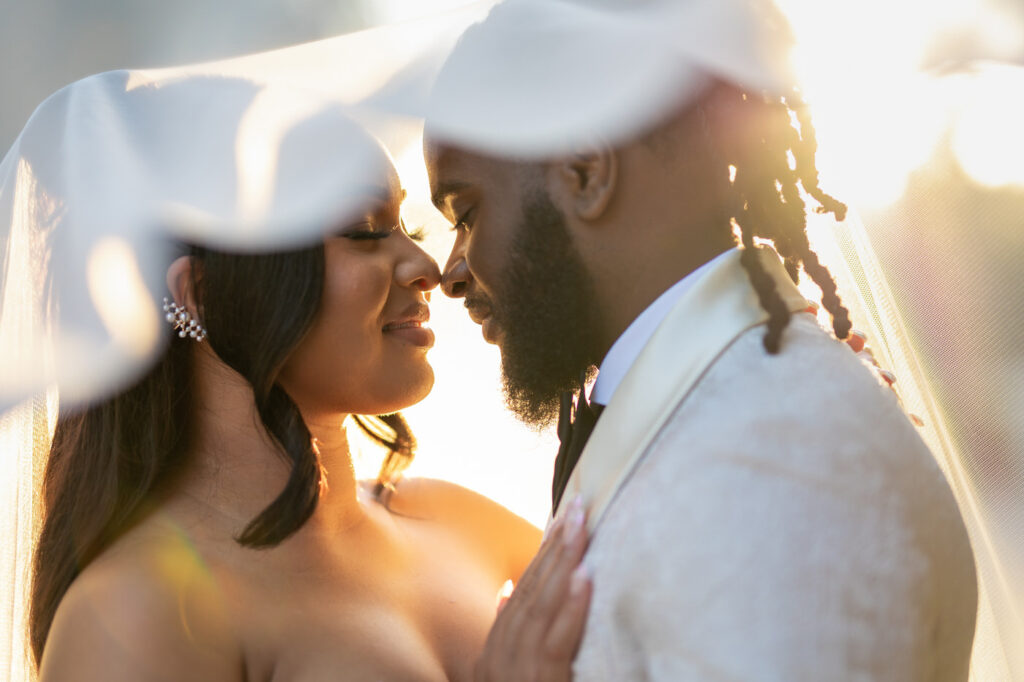
The best wedding portraits come from genuine connection, not perfect posing. Look at each other. Touch each other. Laugh together. These moments of real connection create images that feel alive and true.

Your photographer will guide posing, but the real magic comes from what happens between poses. It comes from you genuinely enjoying each other’s company.


Timing and Light

Golden hour portraits are transcendent, but they require planning. If you’re doing portraits during golden hour, protect that time fiercely. Clear your schedule. Push back other activities. Maximize these precious minutes.

If golden hour isn’t possible, discuss timing with your photographer. Sometimes early morning light or overcast light creates the aesthetic you’re seeking.


Wardrobe and Details

Your attire matters. Make sure your dress fits perfectly and moves beautifully. Ensure suits are tailored. Accessories should enhance without overwhelming. Small details like cufflinks, flowers, jewelry, should be intentional.

Have a seamstress on hand if possible, or at minimum, a safety pin kit and needle and thread in your emergency kit.


Hair and Makeup

Professional hair and makeup designed for photography is essential. What looks great in person often looks washed out or unflattering in photographs. A good wedding-focused makeup artist understands what photographs well.

Bring touch-up supplies. Have your stylist handle any fixes needed during the day. Fresh hair and makeup just before portraits creates the best results.


The Day Before

The night before your wedding, lay everything out. Organize your attire. Review your timeline. Get good sleep. The better rested you are, the more radiant you’ll appear in portraits.

Morning of, hydrate well, eat something nourishing, and give yourself time to get ready without rushing.


Trust Your Photographer

Your photographer has done this hundreds of times. They know what works. They know how to position you, how to direct you, how to catch the moments that matter. Trust their direction. Let them guide you.

When you trust your photographer, you relax. And when you relax, you look beautiful.

Questions to Ask Before Hiring a Photographer

Questions to Ask Before Hiring a Photographer

Asking the right questions ensures you’re hiring someone whose vision aligns with yours, whose style matches what you’re seeking, and who can deliver what you’re paying for.


About Their Style

Ask to see their full portfolio. Not just their best work, but a complete wedding from beginning to end. How do they light? How do they pose? How do they capture moments? Do their images feel too posed or too documentary? Do they match your aesthetic?

Ask how they’d describe their photographic style. Their answer reveals what they value. Then decide if you value the same things.


Experience with Your Vision

Show them inspiration images. Describe your vision. Ask how they would approach your specific day. Can they deliver what you’re asking for? Or do they have a fixed style regardless of client needs?

A good photographer is flexible enough to understand your vision while bringing their own expertise to bear.


Coverage and Timeline

Ask exactly what’s included in your package. How many hours? When do they arrive and leave? Are getting-ready photos included? Family photos? Reception coverage? Be specific about expectations.

Discuss your timeline. Walk them through your day. Ask how much time they need for portraits. Agree on key moments that must be captured.


Backup Plans

Ask what happens if they’re sick on your wedding day. Do they have a backup photographer? What’s their quality level? Would you approve of them shooting your wedding? This is critical.

Ask about weather contingencies. If it rains, what changes? Indoor backup plans? How do they adjust?


Deliverables

Ask exactly what you’ll receive. How many final edited images? When will they be delivered? In what format? Do you get digital files? Prints? Albums? Clearly understand what you’re paying for.

Ask about their editing style. Are images heavily edited or naturally processed? Do they match your aesthetic?


Technical Details

Ask what equipment they use. Multiple camera bodies? Backup equipment? Different lenses for different situations? What happens if equipment fails?

Ask about their technical approach. How do they handle challenging light? Do they use flash? Natural light? Constant light? Understanding their technical choices helps you understand their style.


References and Reviews

Ask for references from recent couples. Contact them. Ask about their experience. Were they happy? Would they hire again? How was communication?

Check reviews on wedding websites. Look at social media. See what actual clients say about working with them.


Communication and Relationship

You’ll work with this person closely. Do you feel comfortable with them? Can you communicate clearly? Do they listen to your concerns? Do they feel like a partner in your day rather than a vendor?

A photographer you enjoy working with creates a different energy on your wedding day.


Price and Packages

Ask about pricing. What’s included in different packages? What are add-ons? Is a deposit required? What’s the payment schedule? What’s their cancellation policy?

Don’t hire based on price alone. But understand what you’re paying for. You should feel the price is fair for the value you’re receiving.


Contract

Ask to review their contract before committing. Understand the terms. When are they available? What’s expected of you? What happens if things change? A clear contract protects both of you.

Take your time reviewing. Ask questions about anything unclear.

How to Choose Your Wedding Album

How to Choose Your Wedding Album

A beautifully crafted album transforms your photographs into an experience.


Album Types

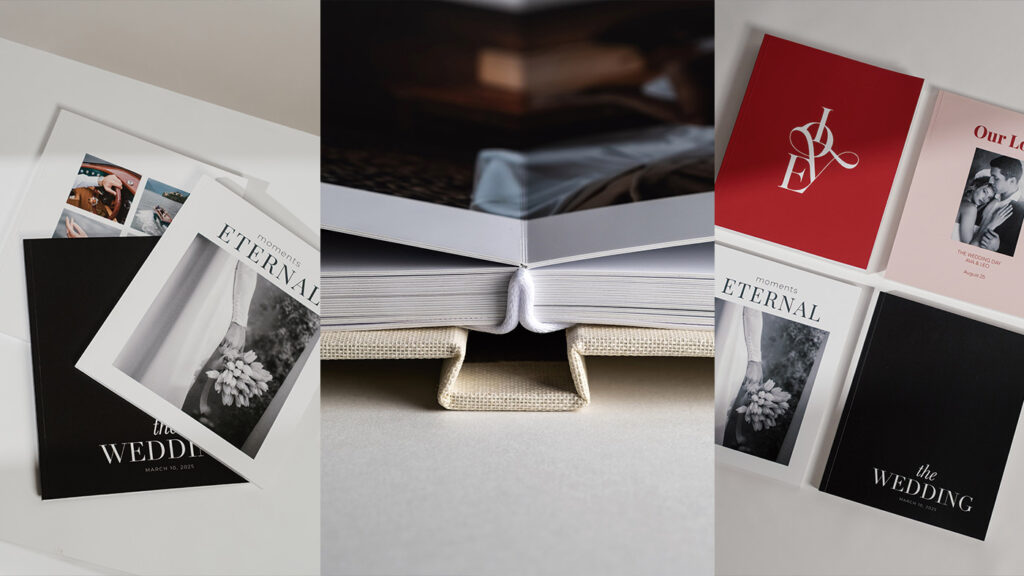
Modern wedding albums come in different formats. Hardcover albums with printed pages. Leather-bound albums with custom covers. Art paper albums with particular finishes. Lay-flat albums that open completely flat. Premium-paper albums with superior print quality.

Each format has different feels and different costs. Consider what matters to you: elegance, durability, how the album feels to hold, how the pages turn.


Size and Pages

Albums range from small (8×8 inches) to large (16×20 inches). Smaller albums are more intimate. Larger albums make more impact. More pages hold more images; fewer pages tell a tighter story.

Consider where you’ll keep your album. A large album works displayed on a coffee table. A smaller album fits on a shelf. How will you use it?


Design and Layout

Albums can be designed multiple ways. Traditional chronological (getting ready, ceremony, reception). Thematic (moments with your partner, with family, celebrations). Artistic (photographer-designed, minimalist, storytelling).

Work with your photographer on design. A good photographer understands how to design an album that flows, that tells your story, that feels intentional.


Number of Images

How many images should your album contain? Some albums have 50-60 images. Others have 80-100 or more. More images mean more details; fewer images focus on key moments.

Consider your preference. Do you want breadth (capturing everyone and everything) or depth (featuring your most important moments)?


Photo Selection

Not every photo should be in your album. Your photographer selected thousands of images; your album contains the best. Trust their curation. They understand composition, moment, and impact in ways that might not be obvious if you’re looking at individual photos.

However, this is your wedding. If there are specific images you want included, communicate that.


Cover Design

Album covers set the tone. Leather covers feel luxurious and timeless. Fabric covers feel soft and personal. Printed covers with images feel contemporary. Some couples choose monogrammed or embossed covers for extra elegance.

Your cover is the first impression every time someone opens your album. Choose something that feels like you.


Printing Quality

Print quality dramatically affects how your images look. Premium paper stocks hold colour better and have different textures (matte, semi-gloss, glossy). Printing methods vary: traditional photo lab, fine art printing, digital printing.

Ask your photographer about their printing partners. Ask to see samples. Your album should look as good as your digital images — or better.


Preservation

Your album is a heirloom. It should be built to last decades. Ask about archival quality: Will colours fade? Will pages yellow? Quality albums use archival paper and inks that preserve images for 100+ years.

Your album is an investment in your memories. Choose durability.


Secondary Albums

Some couples create multiple albums: a main album for them, smaller albums for parents, parents-in-law, or close family. This lets everyone have a physical copy of the wedding.

Discuss this with your photographer. They might offer packages for multiple albums, which is usually more cost-effective than ordering separately.


Timing

Albums aren’t created immediately. Most photographers deliver digital files first, then design and create albums afterward. Budget time and be patient. A beautiful album is worth waiting for.

Ask your photographer about their timeline. When will you see the design? When will the album arrive?

The Golden Hour — Why Timing Is Everything

The Golden Hour — Why Timing Is Everything

But golden hour is more than just beautiful light. It’s about timing. It’s about structure. It’s about intentional choices that transform a good wedding day into a visually extraordinary one.


What Makes Golden Hour Special

During golden hour, the sun’s light travels through more of the atmosphere, which scatters blue wavelengths and leaves warm oranges, reds, and golds. This light is directional — it comes from the side rather than overhead — creating dimension, texture, and depth in photographs.

Golden hour light is forgiving. It flatters skin tones, minimizes blemishes, and creates a romantic, timeless aesthetic. Backlighting creates rim light and separation. Side lighting creates dimension. And the warm tones are inherently romantic.


Planning Your Timeline Around Light

If golden hour photography is important to you, plan your timeline around it. Research sunset times for your wedding date. Know exactly when golden hour begins and ends. Build your schedule so that key couple portraits, family photos, or important moments happen during this window.

This might mean scheduling your reception entrance, your first dance, or your couple portraits during golden hour. It means understanding that the best light of the day is limited, and you want your photographer capturing your most important moments in it.


Golden Hour for Couple Portraits

Couple portraits during golden hour are transcendent. The light is dimensional, flattering, and romantic. Shadows create shape. Backlighting creates glow. And the warm tones create an intimacy that feels both timeless and deeply personal.

Many couples dedicate their primary portrait session to golden hour. This becomes the anchor of your wedding photography — the images that define your day visually.


Sunrise vs Sunset Golden Hour

Both have merit. Sunrise golden hour is quieter, more intimate, with softer light. Sunset golden hour is more dramatic, with deeper colours. Sunrise works well for couple portraits before your guests arrive. Sunset works for celebrations — first dances, couple dances, guest photos.

Some couples use both: sunrise for intimate couple portraits, sunset for celebration moments.


Golden Hour and Reception Timing

Consider timing your reception to intersect with golden hour. First dances, speeches, or cake cutting during golden hour benefit from extraordinary light. The ambient light transforms your space. Your guests see you in flattering, warm light. And your photographs glow.


Challenges of Golden Hour

Golden hour is brief — typically 20-40 minutes depending on season and latitude. On your wedding day, you might have competing demands: family photos, guest photos, reception timing, logistics. With only a limited window, every minute matters.

Work with your photographer and coordinator to protect golden hour time. Communicate its importance. Build your timeline so that this precious window is preserved for photography.


When Golden Hour Isn’t Possible

Not all weddings align with golden hour. Winter weddings in far-north latitudes have minimal golden hour. Indoor or covered venue weddings can’t access it. In these cases, your photographer works with available light, and other factors become more important: the beauty of your venue, the emotion of your moments, the joy of your celebration.

Golden hour is magnificent when available, but extraordinary wedding photography happens in all light conditions.


Making the Most of Golden Hour

If golden hour is important to your vision, communicate this with your photographer early. Discuss when and where you want to shoot. Protect this time in your timeline. Be present and connected during these moments — the best golden hour photographs come from genuine connection, not posed formality.

Golden hour doesn’t create the moment; it illuminates it. The real magic comes from you, your partner, and the love you’re celebrating.

Indoor vs Outdoor Weddings

Indoor vs Outdoor Weddings

There is no right choice. There are only the choice that aligns with your vision.


Outdoor Weddings: The Appeal

Outdoor venues offer natural beauty. Sky, landscape, natural light, the elements — these become part of your celebration. Outdoor ceremonies feel connected to nature. Outdoor receptions feel festive and expansive.

For photographers, outdoor light (when it cooperates) is extraordinary. Natural landscape provides endless visual interest. The scale feels larger, more dramatic.


Outdoor Challenges

Weather is unpredictable. Rain ruins plans. Wind disrupts details. Heat affects comfort. Shade and sun create lighting challenges. Bugs appear at dusk. Cold requires planning.

Logistically, outdoor venues require more infrastructure: bathrooms, shelter, electricity, catering facilities. Guest comfort requires more planning.


Indoor Weddings: The Appeal

Indoor venues provide control. Climate-controlled comfort. Lighting you can manage. Shelter from weather. Sophisticated atmosphere. Intimate scale.

For photographers, controlled lighting creates consistency. Architectural features create visual interest. The contained space feels intentional.


Indoor Challenges

Limited light requires expertise. Architectural constraints limit positioning. The space defines what’s possible rather than the sky. Venues can feel generic without strong personality.

Emotionally, some couples feel disconnected from nature indoors. Some guests find indoor venues less festive.


Hybrid Spaces: The Best of Both

Many venues combine indoor and outdoor spaces: covered pavilions, glass-walled spaces, courtyards, gardens adjacent to buildings. These offer flexibility: outdoor light and landscape with weather protection and infrastructure.


Light Considerations

Outdoor light is dramatic but unpredictable. Overcast days create soft, even light. Sunny days create harsh shadows. Golden hour light is magical but brief. Indoor light is consistent but requires technical management.

Your photographer should influence this decision. Discuss your preferred aesthetic and let them tell you what works photographically.


Guest Experience

Outdoor venues feel like an event, a celebration of nature. Indoor venues feel sophisticated. Guests experience each differently. Neither is better; they’re different.

Consider your guests: elderly relatives in heat? Children who thrive outdoors? Formal dress in a garden? These practical considerations matter.


Season and Timing

Some seasons favor outdoor venues (spring, early autumn). Others favour indoor (winter, peak summer heat). Your chosen date might influence this decision as much as your preference.


Budget Implications

Outdoor venues often cost less for the space itself but require more infrastructure investment. Indoor venues often cost more but include facilities. The total cost frequently ends up similar; it’s just distributed differently.


Making the Decision

Visit venues in the season you’re planning. See how light works. Imagine your celebration in that space. Trust your intuition about where your story feels right.

Work with your photographer and coordinator. They can help you understand what each option requires and what becomes possible because of your choice.

How to Create a Wedding Day Timeline

How to Create a Wedding Day Timeline

Without a clear timeline, weddings feel chaotic. With one, they flow.


Why Timelines Matter

A timeline serves multiple purposes. It keeps vendors coordinated. It ensures your photographer knows when key moments are happening. It gives your guests a sense of structure. And it gives you confidence that your day will unfold as you’ve imagined it.

For destination weddings, timelines are even more critical. With guests traveling, varied time zones, and unfamiliar venues, a clear structure is essential.


Starting with Your Venue

Your venue and its layout should drive your timeline. How long does it take guests to arrive? Where will the ceremony happen? How will you move to the reception? Where will family photos happen? Understanding your physical space is the first step.

Walk through your venue with your coordinator. Mark timings for each transition. This becomes your skeleton timeline.


The Ceremony Hour

Ceremonies typically happen at a specific time. This is often the anchor point for your entire timeline. Everything works backwards and forwards from this moment.

Schedule your pre-ceremony photos before this time. Plan your ceremony to last 15-30 minutes depending on your needs. Buffer time for guests to be seated.


Between Ceremony and Reception

This transition time is often unstructured, and that’s where timelines fall apart. What are your guests doing during this time? Are you doing family photos? Couple photos? Cocktail hour?

Be specific: “Guests move to cocktail hour at 4:15pm. Bride and groom with family for formal photos 3:45-4:15pm. Bride and groom first look with photographer 4:15-4:45pm.”


Reception Timeline

Your reception needs structure. When do guests arrive and sit? When is dinner served? When do speeches happen? When is dancing? When is the cake cut?

A typical reception timeline might look like: Guests arrive (30 min), dinner service (60 min), toasts (20 min), cake cutting (10 min), dancing (120+ min).


Photography Timing

Communicate your timeline with your photographer. Tell them when key moments are happening. Tell them where they should be and when. A good photographer works with your timeline; a great one helps you build it to maximize photography opportunities.

Schedule getting-ready photos, first looks, family photos, and couple portraits at specific times. This prevents last-minute scrambling and ensures your photographer isn’t missing anything.


Buffer Time

Always build buffer time into your timeline. Things run late. Emotions take longer than expected. Family moments extend. Build 15-minute buffers between major segments.

If everything runs early, the buffer becomes bonus couple time or guest connection time. If things run late, the buffer absorbs the delay without cascading into the rest of your day.


Communicating Your Timeline

Share your timeline with vendors at least two weeks before the wedding. Share it with your wedding party. Give your guests a brief version. Everyone should know the essential points: ceremony time, cocktail hour, dinner, dancing.

Print copies of your detailed timeline for your coordinator, photographer, videographer, and key family members.


Flexibility Within Structure

A timeline is a guide, not a prison. If a moment is worth lingering on, linger. If guests need more time, give it to them. Your photographer and coordinator should have flexibility to adapt while keeping the major milestones on track.


The Day Of

On the day itself, your coordinator (or a trusted person) should manage the timeline. This person checks the time, alerts people when transitions are coming, and keeps things moving. This takes the mental load off you and lets you stay present in your moments.

A well-built timeline is one you mostly forget about. It works in the background, holding your day together while you focus on the people and moments that matter.

Best Wedding Venues in Lake Como

Best Wedding Venues in Lake Como

For destination weddings, Lake Como offers something rare: a location that feels both timeless and contemporary, grand yet intimate, iconic yet personal. It’s a place where luxury feels natural, where elegance is understated, and where every detail seems to whisper rather than shout.


Why Lake Como

Lake Como attracts couples who appreciate understated elegance and classical beauty. This isn’t a location for bold statements; it’s a location for refinement. The landscape doesn’t demand attention — it invites contemplation.

Accessibility is straightforward. Milan is nearby with excellent flight connections. Accommodation ranges from luxury hotels to private villas. And the region has centuries of experience hosting distinguished guests and celebrations.

For photographers and videographers, Lake Como is endlessly rewarding. The light is soft and forgiving. The landscape is layered and complex. And the architecture provides endless visual richness without ever overwhelming the human element of your story.


Historic Villas

Lake Como is lined with historic villas. Many are open for private events. These properties carry genuine history and grandeur. Rooms with hand-painted ceilings, terraces overlooking the water, gardens with centuries-old trees — the venues themselves tell stories of elegance and time.

A wedding in a historic Villa Como feels like being invited into a painting. The setting is so refined that the celebration naturally rises to match it.


Contemporary Luxury Venues

Beyond historic villas, Lake Como has modern luxury properties designed for contemporary celebrations. These venues offer clean design, modern amenities, and flexibility. Many position themselves on the water or with dramatic views, combining contemporary comfort with the lake’s natural beauty.


Waterfront & Boathouse Venues

Several venues on Lake Como offer water-based celebrations. Imagine your ceremony reflected in still water, sunset light creating silk over the lake’s surface. These intimate, exclusive venues work for smaller celebrations or for groups seeking something unique and memorable.


The Light

Lake Como’s light is distinctive. Mountains to the north filter harsh midday sun. Water reflects light back onto buildings and faces, softening features. Early morning and late afternoon light is particularly special — soft, golden, ethereal. The light here makes everyone look beautiful and every building look magical.


The Landscape

The landscape around Lake Como is sophisticated rather than dramatic. Mountains rise, but gently. The water is deep blue but calm. Villages are picturesque but not ostentatious. Everything combines to create a setting that feels timeless and refined.

For photographers, this sophistication requires a different approach than purely dramatic landscapes. The beauty is in subtlety, in the interplay of elements, in the way light moves across water and stone.


The Lake Towns

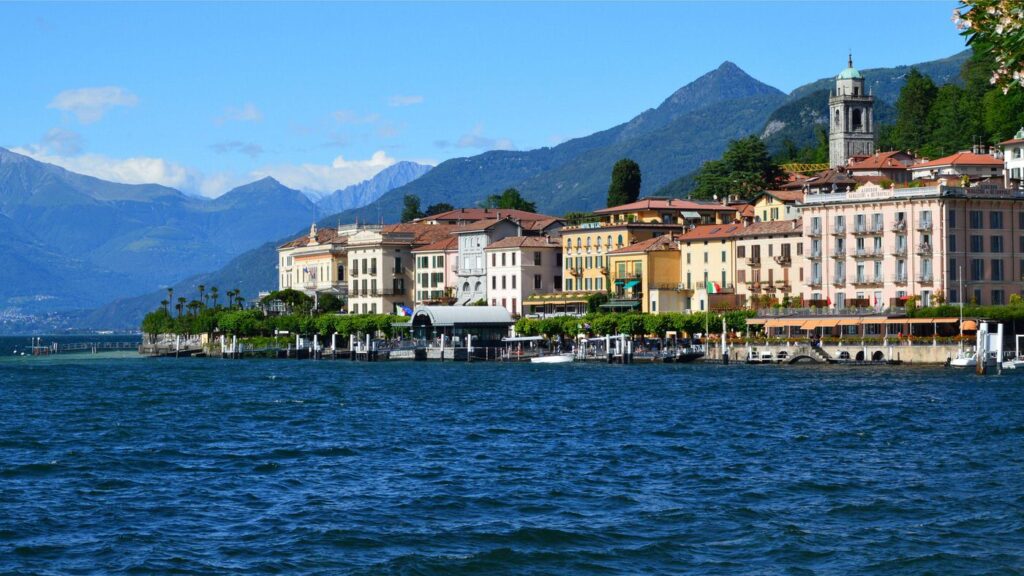
Towns like Como, Bellagio, and Varenna line the lake. Each has its own character. Como is cosmopolitan and accessible. Bellagio is quintessentially elegant. Varenna is intimate and artistic. Different couples find themselves drawn to different towns, and each works beautifully for destination weddings.


Seasons & Timing

Lake Como is beautiful year-round, but the seasons bring different qualities. Spring (April-May) brings blooming gardens and soft light. Summer (June-August) offers long days and reliably blue skies. Autumn (September-October) brings golden light and fewer crowds. Winter is mild and atmospheric, with snow on distant mountains framing the blue lake.

Most destination weddings here happen May through October, with peak season May-June and September-October.


Planning Your Lake Como Wedding

Book venues 12-18 months in advance during peak season. Work with local coordinators who understand the region’s specific logistics and traditions. Lake Como has a strong wedding culture; many professionals here have decades of experience.

Consider the light you want and the season that best matches your vision. Lake Como works for both intimate celebrations and grand affairs; choose your venue and season accordingly.


Getting Married at Lake Como

A destination wedding at Lake Como is about refinement, timelessness, and understated elegance. It’s about slowing down and savouring beauty that has endured for centuries. It’s about creating moments that feel both personal and eternal.

If that vision resonates with you, Lake Como is a perfect choice.

Getting Married in the Amalfi Coast

Getting Married in the Amalfi Coast

For destination weddings, the Amalfi Coast offers something unique: a dramatic, instantly recognizable landscape that feels simultaneously intimate and spectacular. It’s a location that photographs like nowhere else on earth.


Why the Amalfi Coast

The Amalfi Coast attracts couples who want visual drama and romance without pretension. This isn’t a location for understated elegance; it’s a location for celebration. The landscape itself demands colour, joy, movement. And your wedding should match that energy.

Accessibility is surprisingly good. Naples airport is well-connected to European capitals. The region has excellent accommodation at all levels. And villages like Positano, Ravello, and Amalfi have decades of experience hosting destination events.

For photographers and videographers, the Amalfi Coast is compelling. The light here is dramatic. The landscape is inherently photogenic. And the energy of the region translates directly into wedding photography.


Positano & Clifftop Venues

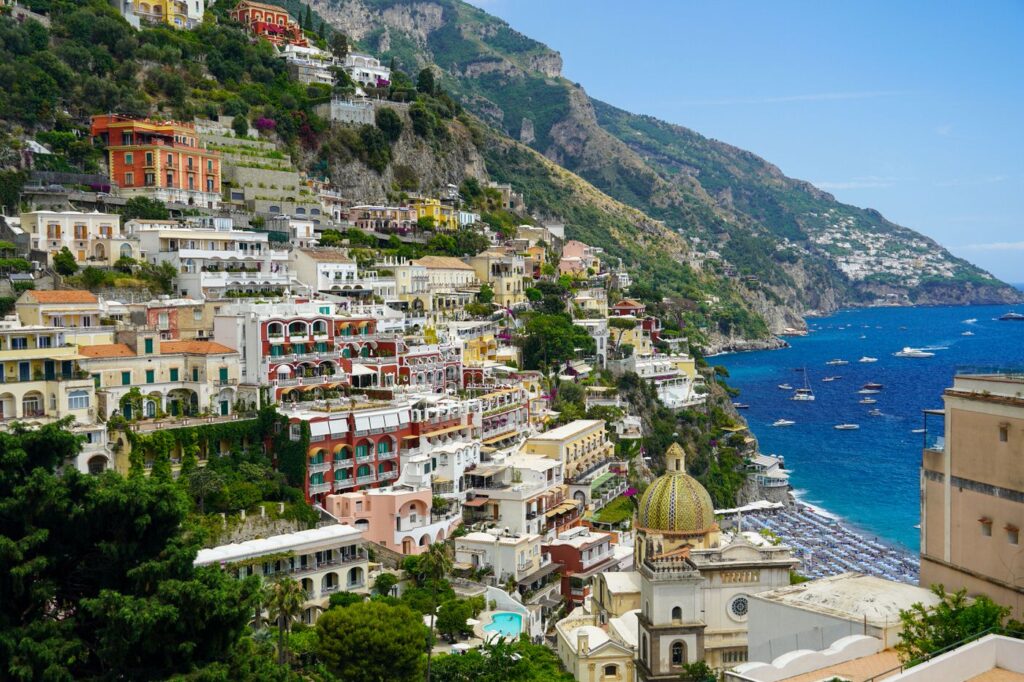
Positano is the most famous village on the coast, and for good reason. It’s almost impossibly picturesque. Colourful buildings tumble down the cliffsides. The beach is small and intimate. And venues here range from beachfront restaurants to clifftop terraces with views across the water.

A wedding in Positano feels like a celebration in a film. The energy, the colours, the backdrop all combine to create something extraordinary. For photographers, every shot feels cinematic.


Ravello: The Clifftop Village

Ravello sits high above the coast, offering a different perspective. Rather than being immersed in the village and sea, you’re looking down at them. Venues here often feature terraces with panoramic views. The atmosphere is more peaceful, less crowded than Positano, but no less beautiful.

Ravello weddings work for couples who want drama and views without the beach-village energy of Positano.


Beachfront & Water-Based Venues

Several villages on the coast offer small private beaches available for wedding celebrations. Imagine exchanging vows with the Mediterranean behind you, then celebrating with your guests as the sun sets over the water. These venues are intimate and exclusive.


The Landscape

The Amalfi Coast landscape is inherently dramatic. Towering cliffs, turquoise water, colourful buildings, terraced lemon groves — every element contrasts with the others, creating visual richness. The landscape does much of the work for photographers. Your job becomes curation rather than creation.


The Light

Light on the Amalfi Coast can be intense. Midday sun is bright and sometimes harsh. But golden hour is transcendent. Sunset behind the sea creates colors that seem impossible. And the contrast between shadowed buildings and sunlit water creates dramatic visual interest.

The best photography hours are early morning (for soft light and solitude) and golden hour (for colour and drama).


Logistics & Practicalities

The Amalfi Coast’s dramatic landscape comes with logistical challenges. Roads are narrow and winding. Parking is limited. Moving between venues takes time. Weather can be unpredictable, especially in shoulder seasons.

Work with local coordinators who understand these realities. They can help manage logistics so your day feels effortless despite the landscape’s demands.


The Experience

Getting married on the Amalfi Coast is about celebration. It’s about colour, joy, and the Mediterranean. It’s about creating memories in one of Europe’s most visually dramatic locations.

If you’re drawn to romance, drama, and natural beauty that takes your breath away, the Amalfi Coast delivers.

Best Luxury Wedding Venues in Tuscany

Best Luxury Wedding Venues in Tuscany

The region offers an extraordinary range of venues: historic estates that have hosted celebrations for centuries, modern luxury properties with contemporary design, converted monasteries and convents, and intimate countryside venues. For destination wedding photographers and videographers, Tuscany is essentially perfect. The light here is legendary. The landscapes are endlessly photogenic. And the atmosphere of timelessness permeates everything.


Why Tuscany for a Destination Wedding

Tuscany combines accessibility with romance. Florence airport receives direct flights from most European cities. Accommodation ranges from five-star hotels to luxury villas. The wine, food, and cultural experiences available to your guests are world-class. And the landscape itself is a character in your wedding story.

For photographers, Tuscany is a gift. The Tuscan light is soft, warm, and infinitely flattering. Golden hour stretches longer here. Sunsets paint the sky in colours that seem almost impossible. And the landscape offers endless visual storytelling opportunities.


Villa Venues: Historic Estates

Tuscany is famous for its villas. Many historic estates have been converted into wedding venues while preserving their original character and beauty. These properties often feature frescoed rooms, original stone work, surrounding gardens with views across the Tuscan landscape. They photograph magnificently.

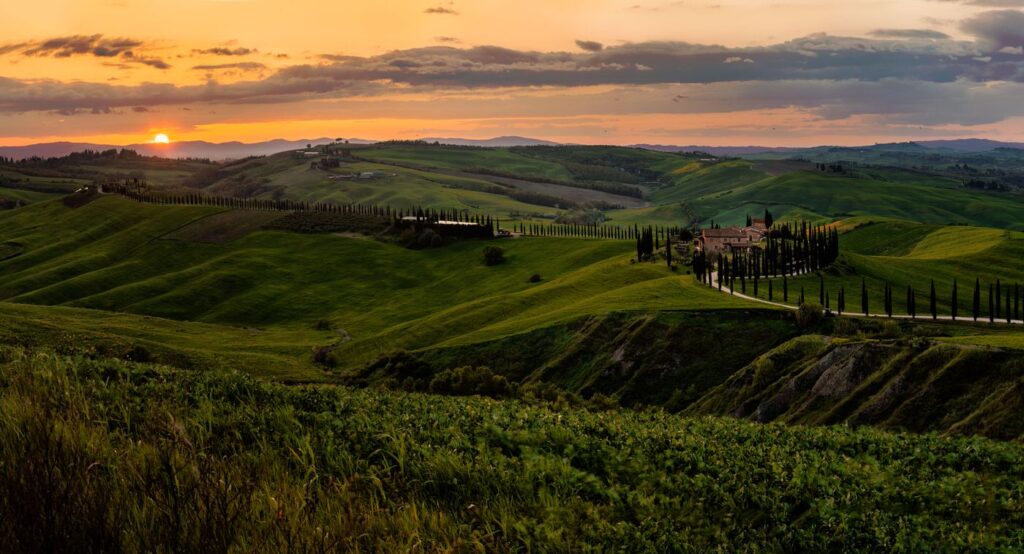
Historic villas offer natural elegance. You need minimal decoration because the venue itself is the statement. Stone walls glow golden in sunset light. Cypress-lined driveways create dramatic approaches. And the sense of history and permanence feels especially romantic.


Contemporary Luxury Venues

Beyond historic estates, Tuscany has contemporary luxury properties designed for modern celebrations. These venues feature clean lines, open spaces, and flexibility. Many combine contemporary design with views across the Tuscan landscape, offering couples the best of both worlds: modern aesthetics with timeless natural beauty.


Countryside Estates & Agriturismos

Scattered throughout the Tuscan countryside are working estates and agriturismos (farm stays) available for events. These properties feel authentic and intimate. Imagine celebrating in a historic farmhouse surrounded by vineyards, with the evening light filtering through grapevines. These venues offer a different kind of Tuscan experience: less formal, more personal, deeply romantic.


The Light & Landscape

Tuscany’s landscape is the real star. The combination of rolling hills, cypress trees, vineyards, and medieval towns creates endless visual interest. Early morning mist rises from the valleys. Midday light is bright and clear. Golden hour is transcendent. Sunset paints everything in warm tones.

For photographers, this landscape is endlessly generous. Almost every shot works. The challenge isn’t finding beautiful images but choosing which ones to keep.


The Best Seasons

Tuscany is beautiful year-round, but different seasons offer different qualities. Spring (April-May) brings wildflowers and soft light. Summer (June-August) offers long days and reliably blue skies, though crowds and heat are considerations. Autumn (September-October) is many photographers’ favourite: warm golden light, fewer crowds, perfect weather. Winter is mild and atmospheric, though less reliably sunny.


Planning Your Tuscany Wedding

Most couples book Tuscan venues 12-18 months in advance, especially for peak seasons. The region has excellent wedding planners and coordinators. Work with someone local if possible. They understand the practicalities of the region, know the best vendors, and can help ensure your day flows effortlessly despite logistical complexities.

Consider the season based on the light you want and the experience you’re creating. Spring and autumn offer the most balanced combination of light, weather, and manageable crowds. Summer offers longer days. Winter offers solitude and atmospheric light.


Getting Married in Tuscany

A destination wedding in Tuscany is about more than the ceremony and reception. It’s about creating an experience for yourself and your guests. It’s about the light, the food, the wine, the atmosphere. It’s about slowing down and savouring something beautiful and timeless.

If that resonates with you, Tuscany is the perfect destination for your wedding.

Best Wedding Venues in Barcelona

Best Wedding Venues in Barcelona

Barcelona is easy to reach. Direct flights from most European capitals. The city has excellent hotels for guests at every budget level. The food scene is world-class. And the light — especially during shoulder seasons (April-May and September-October) — is soft and romantic. Summer is hot and crowded; winter is mild but less visually dramatic for photography.

The city itself is photogenic. Gothic architecture photographs beautifully. Narrow streets create intimate framing. The combination of old and new creates visual interest. And the energy of Barcelona — that sense of a city that celebrates life — naturally translates into wedding photography.

Rooftop & Panoramic Venues

Barcelona’s rooftops are among its greatest assets. High above the Gothic Quarter or overlooking the Montjuïc hills, these venues offer 360-degree views of the city. The best ones combine romance with practicality: weather protection, flexible indoor/outdoor spaces, and views that work at any hour of the day.

For photographers, rooftop venues are incredible. Golden hour light reflects off the city’s buildings. The skyline creates a dramatic backdrop. And the elevation gives you depth and layering in your frames. Some of Barcelona’s most photographed wedding venues are rooftop spaces.

Historic & Architectural Venues

Barcelona’s Gothic Quarter is lined with medieval buildings, some available for private events. Stone walls, narrow windows, candlelight, and centuries of history create a naturally romantic setting. These venues photograph like they’re from another century.

Beyond Gothic spaces, Barcelona has converted monasteries, historic palaces, and architectural landmarks available for weddings. Each one carries its own character and history. Rooms with vaulted ceilings, original stonework, and period details provide natural beauty without needing much decoration.

Garden Venues

Hidden throughout Barcelona are surprising gardens. Botanical gardens near Montjuïc, private gardens tucked behind historic buildings, estate gardens on the city’s edges. These spaces feel like escapes from the urban energy of Barcelona.

Gardens are particularly valuable for destination weddings. They photograph well in natural light. They feel intimate even with large guest counts. And they provide a sense of place distinct from the typical city venue.

Contemporary & Design Venues

For couples preferring modern aesthetics, Barcelona has contemporary spaces: minimalist lofts, gallery spaces, architect-designed venues. These often feature raw materials (concrete, steel, glass), clean lines, and flexibility in configuration. They work beautifully for modern couples and photograph distinctly differently than traditional venues.

Waterfront & Coastal Venues

Just outside the city, Barcelona’s coastline offers beach clubs and waterfront estates. Imagine an evening celebration with the Mediterranean at your back, the sky reflecting gold and orange into the water. These venues combine Barcelona’s urban energy with the relaxation of the seaside.

The Photography Perspective

Barcelona is a photographer’s city. Narrow Gothic streets create intimate framing. Historic buildings provide texture and depth. Rooftops offer elevated perspective. The city’s light — especially in shoulder seasons — is forgiving and beautiful.

The key to great Barcelona wedding photography is understanding the light and the seasons. Peak summer (July-August) is harsh and crowded. Spring (April-May) and autumn (September-October) offer the best combination of comfortable light, pleasant weather, and fewer crowds.

Photographers working Barcelona destination weddings need to know the city. Which streets offer the best light at what time? Where can you find authentic moments away from tourist areas? How do you use the city’s architecture to enhance rather than overwhelm your storytelling? These are skills that separate good Barcelona wedding photography from great work.

Planning Your Barcelona Wedding

Start with the venue. Barcelona has excellent options, but they book quickly. Once you have your space and date, work backwards: accommodation for guests, arrival logistics, timeline that works with the city’s energy and light.

Hire a local coordinator if possible. Barcelona wedding professionals understand both the creative possibilities and the practical realities of the city. They can help navigate bureaucracy, find the best vendors, and ensure your day feels effortless.

Consider the season carefully. Spring and autumn are peak wedding seasons in Barcelona, which means higher venue prices and more competition for vendor time. But they offer superior light and weather. Summer is hot but offers longer evenings. Winter is mild and less crowded, but the light is cooler.

The Barcelona Experience

A destination wedding in Barcelona isn’t just about the venue. It’s about immersing your guests in a city that celebrates beauty, design, food, and togetherness. It’s about the energy of the city translating into the energy of your celebration.

If you’re drawn to urban elegance, architectural beauty, and that specifically Barcelona blend of Catalan tradition and cosmopolitan sophistication, this is a city that will deliver on your vision.