Author: paulo

Getting Married in Mallorca

Getting Married in Mallorca

The island has everything a destination wedding needs. Direct flights from most European cities mean your guests can arrive easily. The weather is reliably beautiful from April through October. Accommodation ranges from luxury resorts to charming rural estates. And the variety of venues is extraordinary — clifftop terraces overlooking the sea, converted monasteries, Moorish palaces, and contemporary estates.

For photographers and videographers, Mallorca is a gift. The island’s light is exceptional. The golden hour here feels longer, richer, more forgiving. Sunsets over the sea are dramatic. Hidden coves offer intimate backdrops. And the contrast between the island’s rustic charm and its modern luxury creates endless visual storytelling opportunities.

The Best Wedding Venues in Mallorca

Clifftop & Coastal Venues

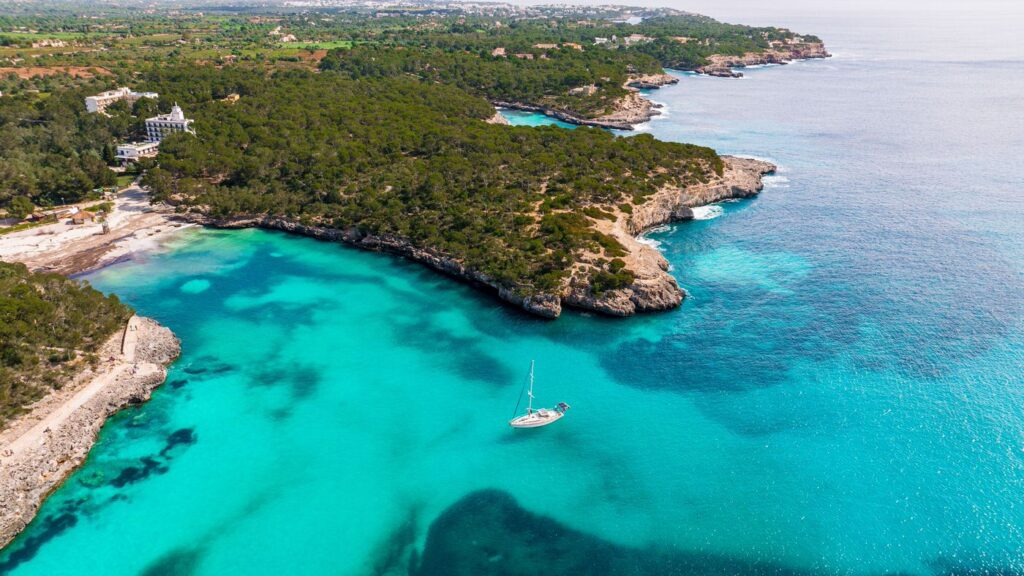
If you’re drawn to the sea, Mallorca’s coastline delivers. Venues perched on cliffs offer breathtaking views. Imagine exchanging vows with the Mediterranean as your backdrop, then moving to a terrace where your guests can watch the sunset over the water. The light here is extraordinary for photography.

Popular clifftop venues cluster around areas like Deià and Puerto de Soller — romantic villages where narrow streets wind between olive groves and the sea opens up suddenly below you. These are the kinds of places wedding days feel timeless.

Historic & Charming Estates

Beyond the coast, Mallorca’s interior is dotted with historic fincas — traditional estates surrounded by olive trees, citrus groves, and countryside. Many have been converted into wedding venues, preserving their original character while adding modern amenities. These properties photograph beautifully. The late afternoon light filters through grapevines, stone walls glow golden, and the landscapes feel deeply romantic.

Contemporary Luxury Venues

If you prefer modern design, Mallorca has that too. Contemporary estates and designer venues offer clean lines, open spaces, and flexibility in layout. These venues work beautifully for couples who want the island’s natural beauty without traditional aesthetics.

The Landscape: A Photographer’s Paradise

Mallorca’s landscape is genuinely photogenic. The combination of dramatic coastline, rural hinterland, and Mediterranean light creates a setting where almost every shot works. Pine forests frame distant views. Dry stone walls create texture. The sea is a deep blue. Villages tumble down hillsides in shades of terracotta and white.

For couples who value visual storytelling, Mallorca offers the rare gift of a destination where the location itself is a character in your wedding story.

The Climate & Light

The Mediterranean light here is exceptional. It’s soft in spring (April-May), dramatic in summer (June-August), and golden in autumn (September-October). Winter is mild but less reliable. Most destination weddings on Mallorca happen between May and October, when the light is at its best and the weather is predictable.

The golden hour is longer here than in northern Europe. Sunsets linger. Sunrise happens over the mountains on the eastern side of the island, creating beautiful early-morning light.

Logistics & Practicalities

Mallorca is easy to reach. Palma airport has direct flights from most European capitals. The island is small enough that distances between venues are manageable, but varied enough that you don’t feel limited by location.

Your guests will find plenty to do beyond your wedding. Beach days, hiking, village exploration, and dining are all accessible. This means they’ll arrive rested and leave happy, which affects the energy of your wedding day.

For destination wedding photographers and videographers, Mallorca is straightforward to work. Good roads, reliable weather (in season), excellent light, and scenic variety make it a location where you can focus on creativity rather than logistics.

The Ritual & Atmosphere

There’s something about Mallorca that creates a particular atmosphere. Maybe it’s the combination of relaxation and luxury. Maybe it’s that the island slows you down. Maybe it’s simply that everyone who travels to a destination wedding arrives in a better mood.

Whatever it is, Mallorca weddings tend to feel relaxed and joyful. The island has a way of bringing out celebration.

Getting Married Here

If you’re considering Mallorca for your destination wedding, start with the venues. Book your location first — it will determine everything else. Then work backwards: accommodation for your guests, timing for the light you want, logistics for your vendors.

Most couples planning Mallorca weddings book 12-18 months in advance, especially if they’re aiming for peak season (May-June or September-October). The island fills up quickly with other destination weddings.

Work with a local planner or coordinator if possible. Mallorca has excellent wedding professionals who understand both the practical realities and the creative possibilities of the island.

The Experience

Getting married in Mallorca is about more than the wedding day. It’s about creating an experience for yourself and your guests. It’s about the light, the landscape, the food, the air. It’s about everyone feeling like they’ve been transported to somewhere special.

If that matters to you, Mallorca delivers.

What to Look for in a Luxury Wedding Film

What to Look for in a Luxury Wedding Film

The Visual Signature

Every great wedding filmmaker has a recognizable visual style. Look at their films and ask: do they feel cohesive? Are the colours graded consistently? Does the cinematography tell a story, or just document events?

A luxury wedding film doesn’t just happen — it’s intentional. The cinematographer is making choices about framing, movement, light, and pacing. When you watch their portfolio, you should feel like you’re watching the work of a single creative vision, not a collection of clips.

The Sound Design

Audio is half the experience, and it’s often what separates amateur films from professional ones. In a luxury wedding film, you should hear:

  • Clean, clear audio of your vows and ceremony
  • The ambient sound of your location — the ocean breeze, the church bells, the garden
  • Thoughtfully curated music that complements rather than overwhelms
  • Moments of natural sound — laughter, applause, footsteps — that feel authentic

Many amateur films make the mistake of over-scoring, drowning out the moments that actually matter. A luxury film trusts your story to speak for itself.

The Pacing and Editing

How long should a wedding film be? That depends on the film, but a luxury wedding film typically takes 5 to 15 minutes for a full-length edit, with a 2-3 minute highlight reel as a teaser.

More important than length is pacing. Does the film feel long, or does it move you through your day with rhythm and momentum? Are there quiet moments that let emotion breathe, and building moments that create energy? A beautifully edited film feels alive.

Look at your videographer’s edits. Do they cut sharply to the beat? Do they use slow-motion strategically? Do they let important moments like your first look linger? These are intentional choices that separate good edits from great ones.

The Narrative Arc

A luxury wedding film tells a story. It doesn’t just string together moments — it builds a narrative arc that mirrors the emotional journey of your day.

The best wedding films start with anticipation, build through the ceremony and reception, capture moments of joy and intimacy, and conclude with reflection. You should feel something watching it. Not just nostalgia, but emotion.

When you review your videographer’s portfolio, ask yourself: do these films move me? Do they make me feel something? That’s the mark of a luxury film.

The Technical Excellence

  • Sharp focus throughout (no blurry sequences)
  • Correct exposure in all lighting conditions
  • Smooth camera movement without jitter or shaking
  • Colour grading that’s consistent and intentional
  • No audio dropouts, hum, or distortion

These are table-stakes in luxury filmmaking. You shouldn’t have to think about them, which means they’re being done right.

The Destination Advantage

For destination weddings, a luxury film captures something unique: the sense of place. A great destination wedding videographer understands how to weave location into the story, not as a backdrop, but as a character in your film.

The light in Tuscany feels different than the light in Portugal. The ocean in Mallorca is a different character than a garden in Barcelona. A luxury filmmaker knows these distinctions and uses them intentionally.

When you review films from destination weddings similar to yours, notice whether the location enhances the story or feels incidental to it. In luxury wedding films, place matters.

The Final Deliverables

  • A full-length wedding film (8-15 minutes)
  • A highlight reel (2-3 minutes) for sharing
  • A high-quality video file delivered in a professional format
  • Raw footage or additional shorter edits for your use
  • Often, a USB or heirloom-quality presentation box

These aren’t just nice additions — they’re part of the experience. A luxury film isn’t just something you watch on screen; it’s something you can share, display, and treasure.

The Relationship

Finally, consider the relationship you’ll have with your videographer. In a luxury experience, your filmmaker becomes part of your wedding team. They should be easy to communicate with, genuinely interested in your vision, and collaborative in building the film.

Watch how your potential videographer responds to your questions. Do they ask thoughtful questions back? Do they seem excited about your wedding? Do you feel heard and understood? This matters more than you might think.

Putting It Together

A luxury wedding film combines technical excellence with creative vision, strong storytelling with emotional depth, and professional execution with genuine care. When you find a videographer who gets all of these elements, you’ve found someone worth investing in.

Your wedding film will be watched hundreds of times. Make sure it’s worth it.

How Far in Advance Should You Book?

How Far in Advance Should You Book?

The Reality of Booking Windows

Most experienced wedding photographers and videographers work 12 to 18 months in advance. This isn’t arbitrary — it’s because they genuinely book out during their preferred seasons.

For summer destination weddings in Europe, many couples start booking the year before. Spring weddings in Portugal or Tuscany can fill up 10-12 months ahead. Even winter months, once considered off-season, now fill 6-9 months in advance.

The point isn’t to panic if you’re booking closer to your date. It’s simply to understand that the best options disappear first.

Why Early Booking Matters

Booking your photographer or videographer early gives you choice. The best professionals in each destination have limited availability — they can only shoot a finite number of weddings per year by design. They want to give each couple their full attention and creative energy.

When you book early, you’re not fighting for scraps. You’re choosing from their full availability, which means you have more dates to choose from, more flexibility in planning, and you’re not stressed by the pressure of a ticking clock.

Early booking also gives your photographer and videographer time to truly prepare for your destination wedding. They can scout locations, understand the light at different times of day, build a genuine connection with you, and plan the details that separate a good day from an extraordinary one.

The Minimum Timeline

If you’re booking for a destination wedding, aim for at least 9-12 months in advance during peak season (May through September), or 6-9 months for shoulder seasons (April, October). For winter weddings or smaller destinations, 6 months can work, but earlier is always better.

That said, we’ve photographed destination weddings with shorter notice. If you’re flexible on photographers, or if you’re wedding is in an off-peak season or location, it’s possible to book 3-6 months out. But you’re limiting yourself significantly.

What Happens When You Wait

When couples book late — often because they’re still planning, uncertain about dates, or simply haven’t prioritised photography — they find themselves with limited options.

The photographers they love are booked. They’re choosing from the remaining availability, which may mean less experienced professionals, or having to compromise on creative style. They’re also typically paying more to bump up in priority, or they’re sacrificing flexibility in planning their day.

Late booking also means less time for communication, planning, and preparation. Your photographer doesn’t know your vision as deeply. They haven’t scouted your location. They’re approaching your wedding as one of many, rather than something they’ve been anticipating.

The Destination Wedding Factor

For destination weddings specifically, booking your photographer and videographer should be one of your first decisions. Before you book the venue, before you confirm guest numbers, lock in your creative team.

This is because destination wedding photographers and videographers need to coordinate travel, potentially spend extra time scouting locations, and truly prepare for the unique logistics of your day. They’re not just documenting your ceremony and reception — they’re becoming part of your destination wedding experience.

When you book early, your photographer or videographer can give input on timing, locations, and planning that enhances the final outcome. When you book late, they’re just responding to what you’ve already decided.

A Word on Flexibility

If you’re still in the early stages of planning and don’t yet have a confirmed date, that’s okay. Start conversations with photographers now. Tell them your approximate timeline and location. Many will hold conversations or even tentatively block time for couples who are in the planning process.

The key is to move quickly once you’ve confirmed your date. That window between confirming your date and actually booking someone determines whether you have the full menu of options or whether you’re choosing from what’s left.

Bottom Line

Book your photographer and videographer as soon as you have a confirmed date and location. For destination weddings, aim for 12 months ahead during peak season, 9 months for shoulder seasons, and at least 6 months for off-season or flexible timelines.

Yes, it’s early. But it’s the difference between choosing the creative team of your dreams and settling for whoever is available. For something as important as documenting your destination wedding, it’s a difference worth making.

Photography vs Videography — Do You Need Both?

Photography vs Videography — Do You Need Both?

There’s a reason so many couples choose to invest in both. A photograph exists in a moment — it captures light, emotion, and composition in a single frame. A film exists in time — it captures movement, sound, laughter, and the rhythm of your day in a way that still images simply cannot.

Your first dance is a moment. But it’s also a song, a feeling, a sequence of moments. The way your partner looked at you. The way your guests reacted. The sound of the music. A photograph gets one frame of that. A film gets all of it.

The same logic applies throughout your day. Your ceremony is poetry in stills. It’s also a narrative — the words spoken, the vows exchanged, the emotion building. Both are true at the same time.

Photography: The Art of the Single Moment

Photography is about distillation. A great wedding photographer spends your entire day looking for THE moment — the one that tells the story, that captures the feeling, that you’ll want to print large and hang on your wall for decades.

Wedding photographs are the albums you’ll leaf through with your grandchildren. They’re the images that will live on your mantelpiece. They’re the ones you’ll print, frame, and treasure. They’re intimate, detailed, and enduring.

For destination weddings especially, photographs serve another crucial purpose: they’re your souvenir of place. The light on a Tuscan hillside. The architecture of a Barcelona venue. The Portuguese tiles in Lisbon’s historic centre. These details matter, and a skilled photographer knows how to weave them into the story of your day.

Videography: The Art of the Experience

A wedding film is something else entirely. It’s the sound of your ceremony. It’s the laughter during toasts. It’s the moment your mother first saw you. It’s the way your partner’s voice sounds saying your vows. It’s the energy of your reception, the joy in the room, the feeling of the day.

Video captures what photography cannot: time, motion, emotion, and atmosphere. A film is less about individual moments and more about the experience as a whole. It’s the story of your day unfolding, not a series of still frames.

For couples planning destination weddings, a film serves yet another purpose: it brings people who couldn’t be there into the experience. Your aunt in Australia can watch your ceremony unfold. Your cousin in New York can feel the joy of your reception. The film becomes a gift you share.

The Middle Ground: Choosing One

If budget is a real constraint — and for many couples it is — the question becomes: which one matters more to you?

Choose photography if: You want images to live with you forever. You love looking at pictures. You want to print a beautiful album. You envision your wedding displayed on your walls.

Choose videography if: You want to relive the day as it unfolded. You want to hear the words spoken and the music played. You value the emotional experience over the visual documentation. You want to share the day with people who couldn’t attend.

Honestly, most couples will find that photography is the more essential of the two — it’s more universally useful and timeless. A film can feel dated after a few years; a beautiful photograph transcends time.

Why Couples Choose Both

Many couples invest in both for a simple reason: they’re not the same thing, and both serve purposes that matter.

With both, you get the best of both worlds. You have stunning images to frame and share and treasure. And you have the experience itself, preserved in motion and sound, to relive whenever you want.

Many couples also find that having both allows their photographer and videographer to do their respective jobs better. Without the videographer, the photographer can focus on capturing moments. Without the photographer, the videographer can focus on capturing experience.

Making Your Decision

Your wedding should reflect what matters to you. If you love photography and can’t imagine not having beautiful images, invest in that first. If you’re sentimental about reliving moments and hearing the day come back to life, videography might be your priority.

If you can afford both, they work beautifully in tandem. If you can only choose one, choose the one that aligns with how you want to remember your day.

There’s no wrong answer here. Only the answer that’s right for you. At QFILM Studio, we believe the best choice is one that brings joy to your life for decades to come.

How to Choose Your Wedding Photographer and Videographer

How to Choose Your Wedding Photographer and Videographer

Of all the decisions you’ll make while planning your wedding, this is one of the few that’s permanent. The flowers fade, the cake gets eaten, the dress goes into storage. But the photographs and the film — those stay with you for the rest of your life, and eventually become something your children and grandchildren will look at too.

That’s a lot of weight to put on one decision. So here is how we think couples should approach it.


Look at Full Galleries, Not Just Highlights

Every photographer’s portfolio is curated to show their absolute best work. That’s normal and expected. But it also means a highlight reel can hide a lot.

Ask to see a few complete wedding galleries from start to finish — not just the polished hero shots. This tells you how someone photographs the parts of the day that aren’t naturally beautiful: the getting-ready chaos, the in-between moments, the dancing under bad lighting at 11pm. Consistency across an entire day matters far more than ten perfect images.


Think About Style, Not Just Skill

Almost every professional photographer working at a high level today is technically skilled. What actually separates them is style — and style is deeply personal.

Some photographers lean toward bright, airy, true-to-colour images. Others work in deep, moody tones with heavy contrast. Some shoot mostly candid, documentary-style moments; others lean into directed, editorial portraiture. None of these approaches is right or wrong. What matters is which one feels like you.

Spend time looking at a photographer’s work and ask yourself honestly: if these were photos of my own wedding, would I love hanging them on my wall in ten years?


Decide Early Whether You Want Both Photography and Film

Many couples don’t think seriously about videography until photography is already booked, and then struggle to find a videographer who fits both their budget and their aesthetic at short notice.

If there’s any chance you’ll want a wedding film, it’s worth deciding early and looking for photography and videography that work well together — visually and logistically. Some studios, like ours, offer both under one roof, which removes a layer of coordination and ensures the two outputs share a consistent visual language.


Meet Them, Even If Only on a Video Call

However talented someone is, you will be spending up to twelve hours with this person — or this team — on one of the most emotional and vulnerable days of your life. Personality and trust matter enormously.

A short call before booking tells you a great deal. Do they listen well? Do they ask thoughtful questions about your day? Do you feel comfortable around them? Many couples report that the working relationship with their photographer ended up shaping how relaxed and present they felt throughout their entire wedding day.


Ask About Their Process, Not Just Their Pricing

Price matters, of course, but it shouldn’t be the first question. Understanding the process tells you far more about what you’re actually paying for.

Ask how many weddings they shoot per year — a studio that takes on too many can struggle with editing turnaround and quality consistency. Ask how long delivery typically takes. Ask whether they work with a second shooter, and how they handle unpredictable situations, like sudden rain or a delayed ceremony. Ask to see a sample contract before you sign anything.


Understand What You’re Actually Paying For

Wedding photography and videography pricing varies enormously, and it’s worth understanding why. You are not simply paying for the hours someone spends at your venue. You’re paying for years of experience, for equipment that performs reliably in difficult lighting, for the editing time that happens afterwards — often 40 to 80 hours of work per wedding — and for the judgement that comes from having documented hundreds of days like yours.

A lower price almost always means something is being reduced somewhere: less editing time, less experience, less reliable equipment, or simply less attention given to your specific day.


Trust Your Gut

After all the research, all the portfolio reviews, and all the calls, most couples eventually reach a point where one photographer or videographer simply feels right. That instinct is worth trusting. Technical skill can be evaluated logically, but the feeling of being deeply understood by the person who will document your wedding day is something you’ll recognise when you find it.


At QFILM Studio, we work as a single team across photography and film, documenting luxury destination weddings throughout Portugal, Spain, and Italy. If you’d like to talk about your wedding day, we would love to hear from you.

How to Plan a Destination Wedding in Europe – A Complete Guide

How to Plan a Destination Wedding in Europe — A Complete Guide

At QFILM Studio, we work almost exclusively with couples planning destination weddings across Portugal, Spain, and Italy. We’ve seen what makes these weddings succeed, and we’ve seen where couples tend to struggle. Here is what we’ve learned.


Start With the Feeling, Not the Location

Before you search for venues, it helps to know what kind of day you actually want. Do you imagine an intimate dinner under the stars, or a grand celebration with live music and dancing until sunrise? Do you want your guests staying together for a full weekend, or arriving just for the day?

Once you know the feeling you’re after, the right country — and the right venue — becomes much easier to find. A countryside quinta in Portugal offers something completely different from a clifftop villa in Amalfi or a vineyard estate in Tuscany. None of them is better than the others. They simply tell different stories.


Choose Your Destination With Logistics in Mind

It’s easy to fall in love with a place through photographs. It’s just as important to think practically about how your guests will actually get there.

Consider how many of your guests will be travelling internationally, and look for a destination with good flight connections from their home countries. Think about the time of year — some regions are glorious in May and unbearably hot in August. And consider the size of your guest list against what the region can realistically support, particularly when it comes to accommodation.

Portugal, for example, offers excellent value and accessibility for couples coming from the UK, the US, and the rest of Europe, with a mild climate that makes outdoor weddings possible for much of the year.


Hire a Local Wedding Planner

This is, without question, the single most important decision you will make for a destination wedding. A good local planner already knows the venues, the suppliers, the legal requirements, and the small details that only come from experience — the chapel that looks beautiful in photos but gets uncomfortably hot by 3pm, the caterer who is reliable under pressure, the florist who actually delivers what they promise.

Trying to coordinate everything yourself from another country, in a language you may not speak, working with vendors you’ve never met, is one of the most common sources of stress for couples. A planner removes almost all of that weight.


Understand the Legal Requirements Early

Every country has its own rules for international couples marrying within its borders, and these can take time to navigate. In Portugal, for example, couples typically need passports, birth certificates, and a certificate of no impediment, and the process should be started well in advance — ideally six months before the wedding.

Many couples choose to have a legal civil ceremony privately, ahead of time or quietly during their stay, and then hold a symbolic ceremony on their wedding day in front of family and friends. This is common practice and takes away a significant amount of pressure.


Book Your Key Suppliers Early

Venues, photographers, videographers, and planners in popular destinations get booked well in advance — often twelve to eighteen months ahead for peak season dates. If you have your heart set on a particular venue or a particular photography team, the earlier you reach out, the better your chances.

This is especially true for photography and videography. We typically take on a limited number of weddings each year, which means our calendar for the most popular months fills quickly.


Plan for More Than One Day

A destination wedding rarely fits into a single day. Most couples now build in a welcome dinner the night before, sometimes a smaller post-wedding gathering the following day, and time for guests to explore the destination they’ve travelled to.

This is part of what makes destination weddings so special — your wedding becomes a shared trip, a few days of genuine connection with the people who matter most, rather than a single evening that’s over before you know it.


Trust the Process

The truth is that destination weddings, by their nature, involve a level of trust that local weddings don’t require. You are relying on photographs, video calls, and the word of vendors you may not meet in person until a day or two before your wedding.

This can feel uncomfortable at first. But with the right team around you — a planner you trust, vendors with strong reputations and real reviews, and clear communication throughout — that discomfort fades quickly into excitement. The couples we work with consistently tell us that the planning, once they found the right people, was far easier than they expected.


If you are planning a destination wedding in Portugal, Spain, or Italy and would like to talk about how QFILM Studio can document your day, we would love to hear from you.

The Most Beautiful Wedding Venues in Lisbon & Sintra — Part II

The Most Beautiful Wedding Venues in Lisbon & Sintra — Part II

In this second chapter, we continue with five more venues, each offering something genuinely distinct — from a Moorish-inspired palace hidden in exotic gardens to an intimate estate once home to the creator of Sherlock Holmes.


The Venues

1. Palácio de Monserrate

Few palaces in the world look quite like Monserrate. Built in the 19th century by Francis Cook, a wealthy British industrialist and passionate art collector, the palace is an extraordinary blend of Moorish, Gothic, and Indian architectural influences — a romantic folly unlike anything else in Europe.

Surrounded by exotic botanical gardens filled with plant species gathered from across the world, Monserrate offers ceremony settings of genuine theatrical beauty. The Music Room, with its intricate carved details and tall windows that draw the surrounding greenery inside, can host ceremonies of up to 80 guests. For couples seeking something even more atmospheric, the palace’s ruined chapel — embedded in nature, half-reclaimed by the forest — offers one of the most extraordinary and unconventional ceremony settings anywhere in Portugal.


2. Valverde Sintra Palácio de Seteais

A neoclassical palace turned five-star hotel, Palácio de Seteais sits at the heart of Sintra with some of the most celebrated views in the region — across to the Serra de Sintra, the Moorish Castle, and the legendary Palácio da Pena.

What distinguishes Seteais is the completeness of the experience it offers. This is not simply a beautiful backdrop for a single day — it is a genuine wedding weekend destination, with tea rituals, spa treatments, private dinners, and quiet poolside moments woven into the celebration. The palace’s gardens and manicured lawns provide an elegant, classically beautiful setting for ceremonies, while its ballrooms — adorned with period frescoes and crystal chandeliers — offer a genuinely regal atmosphere for receptions of up to 120 guests.

For couples who want the experience of staying within their wedding venue, surrounded by history and exceptional service from the moment they arrive, Seteais is exceptional.


3. Quinta da Bella Vista


4. Camélia Gardens

For couples who want complete creative freedom, Camélia Gardens offers something genuinely rare — a historic, beautifully restored 19th-century manor delivered as a blank canvas. The interiors feature original marble flooring, ornate stucco detailing, and walnut tile, with the estate’s original staircases carefully preserved, while outside, expansive gardens with peaceful lily ponds and a remarkable variety of flowers create a romantic, layered landscape.

Because the venue is offered unfurnished, couples bring their own creative team — their own florals, their own styling, their own complete vision — without compromise. For couples who already know precisely the wedding they want to create, this level of control is invaluable.

Located just 25 minutes from Lisbon Airport, Camélia Gardens is particularly well suited to intimate to mid-scale celebrations, typically up to 150 guests, where every detail can be considered and curated.


5. Palácio do Correio-Mor


What Makes a Great Wedding Venue in This Region?

Whichever venue you are considering, these are the essential questions to work through:

  • Scale and atmosphere — does the venue’s size match the feeling you want? A palace built for 600 can feel hollow with 60 guests; an intimate quinta can feel cramped with 200
  • Exclusivity — full exclusive use ensures privacy and an uninterrupted creative and emotional experience throughout the day
  • Accommodation for guests — particularly important for international weddings, where guests are travelling specifically for the occasion
  • Indoor and outdoor balance — gives flexibility against weather and creates natural variety in the visual story of the day
  • Photogenic depth — does the venue offer multiple distinct settings across the day, from morning preparations to sunset portraits to evening celebration?
  • Working with national monuments — for palaces managed by Parques de Sintra or similar institutions, factor in additional planning time and direct coordination with their events teams

Why Choose Lisbon & Sintra for Your Wedding?

This region offers a combination that is genuinely difficult to find elsewhere in Europe — cosmopolitan city energy, dramatic Atlantic coastline, and the almost mythical beauty of Sintra’s UNESCO-listed hills, all within easy reach of one another.

For international couples, the practical advantages are significant:

  • World-class connectivity through Lisbon’s Humberto Delgado Airport
  • Reliable summer weather, with Sintra offering a cooler, greener alternative when needed
  • Extraordinary variety, from royal palaces to oceanfront fortresses to private wine country estates
  • Straightforward legal process for international couples marrying in Portugal
  • A region built for visual storytelling, where light, architecture, and landscape consistently produce photography and film of remarkable depth

How Much Does It Cost to Get Married in Lisbon or Sintra?

As covered in Part I, investment levels vary widely across this region:

  • Venue hire: approximately €6,000 to €40,000+ depending on the property and level of exclusivity
  • Catering: typically €100 to €260 per person
  • Photography and videography: professional packages from €3,500, with comprehensive luxury services ranging from €8,000 to €20,000+
  • Wedding planning: generally €2,500 to €10,000 for a full-service destination wedding planner

For a luxury celebration with 80–150 guests, total investment typically falls between €45,000 and €120,000+ — a figure that continues to represent strong value relative to comparable European destinations.


If you are planning your wedding in Lisbon, Sintra, or the surrounding coast and would like to speak with QFILM Studio about how we can document your day through photography and film, we would be delighted to hear from you.

The Most Beautiful Wedding Venues in Lisbon & Sintra — Part I

The Most Beautiful Wedding Venues in Lisbon & Sintra — Part I

At QFILM Studio, we have photographed and filmed weddings across this entire region — from beachfront fortresses to royal palaces hidden in the forest. In this first instalment of our two-part guide, we share five venues that have given us some of our most memorable work.


Why Choose Lisbon & Sintra for Your Wedding?

Few destinations offer the sheer variety that this corner of Portugal does. Within a short drive, couples can move between completely different worlds — historic city streets, dramatic Atlantic coastline, and the legendary, almost otherworldly hills of Sintra.

For international couples, the advantages are substantial:

  • Accessibility — Lisbon’s Humberto Delgado Airport is one of Europe’s best-connected hubs, with direct flights from across Europe, North America, and Brazil
  • Climate — over 320 days of sunshine a year in Lisbon, with Sintra’s microclimate offering a cooler, greener counterpoint just 30 minutes away
  • Variety of settings — royal palaces, oceanfront fortresses, private quintas, botanical gardens, and luxury resorts all within easy reach of one another
  • Legal simplicity — civil ceremonies in Portugal are straightforward for international couples, generally requiring only passports, birth certificates, and a certificate of no impediment
  • Visual richness — this is a region built for photography and film. The interplay of architecture, ocean light, and Sintra’s famously soft, diffused hillside light gives every wedding here a distinct visual identity

What Makes a Great Venue in This Region?

When comparing venues across Lisbon, the coast, and Sintra, the right questions to ask are:

  • Scale — how many guests do you want to invite, and does the venue comfortably and beautifully accommodate that number? Some palaces shine with 200 guests; others are at their best with 40
  • Exclusivity — does the venue belong entirely to you for the day, or does it host multiple events? Full exclusive use changes the entire emotional tone of a wedding
  • Accommodation — can your guests stay on-site, or will you need to arrange nearby hotels and transport? For destination weddings, this matters enormously
  • Indoor and outdoor flexibility — Sintra’s weather, while generally reliable in summer, can shift quickly in the hills. Having strong indoor options is a genuine advantage
  • Photogenic variety across the day — gardens for golden hour portraits, grand interiors for formal moments, terraces for sunset cocktails — the best venues give a complete visual story
  • Licensing and logistics — some of the most spectacular palaces, including national monuments managed by Parques de Sintra, require working directly with their events teams and following specific protocols

How Much Does It Cost to Get Married in Lisbon or Sintra?

This region spans a wide range of investment levels, from intimate garden weddings to grand palace celebrations. As a general guide:

  • Venue hire ranges enormously — from approximately €6,000 for a smaller historic property to €40,000+ for full-service luxury packages at premier palaces and resorts
  • Catering typically runs from €100 to €260 per person depending on the level of service
  • Photography and videography at a professional luxury level typically starts from €3,500, with comprehensive full-day packages ranging from €8,000 to €20,000+
  • Wedding planning for a destination wedding in this region is highly recommended, with planner fees generally between €2,500 and €10,000 depending on scope

For a luxury destination wedding with 80–150 guests in the Lisbon/Sintra area, total investment typically falls between €45,000 and €120,000+, depending on the venue and level of service chosen. Compared to similarly prestigious destinations in the South of France or the Amalfi Coast, this region continues to offer remarkable value.


The Venues

1. Forte da Cruz

Built in the 17th century by order of the Portuguese monarchy to protect the wealthy classes enjoying their summer holidays on the coast, Forte da Cruz sits directly on Tamariz Beach in Estoril — one of the most dramatic settings imaginable for a wedding by the sea.

The fortress’s stone silhouette, weathered by centuries of Atlantic wind, creates an extraordinary contrast between rugged history and refined celebration. Couples can exchange vows on a terrace overlooking the ocean, enjoy cocktails at sunset with the waves as a backdrop, and dance the night away beneath a fully equipped marquee that can comfortably host up to 250 guests.

The venue’s flexibility is one of its greatest strengths — from intimate gatherings of 50 in the historic noble rooms to large-scale celebrations under the oceanfront tent. Just minutes from Lisbon Airport and the charm of Cascais, it combines genuine convenience with unmistakable drama.


2. Penha Longa Resort

Set within Sintra’s protected natural park, Penha Longa is the only hotel inside the park itself — a five-star Ritz-Carlton property built around a genuine 14th-century monastery and its private chapel. For couples seeking the grandest possible scale combined with five-star comfort, it is in a category of its own.

The monastery’s ceremony spaces range from the intimate 16th-century chapel to the grand Salão Nobre, while the Sala Coroa — once the sleeping quarters of the royal family — can host celebrations for up to 600 guests. The Claustro, a perfect square at the heart of the monastery, offers one of the most atmospheric settings in Portugal for an outdoor ceremony surrounded by centuries of history.

With 194 guest rooms, two Michelin-starred restaurants, a championship golf course, and an exceptional spa, Penha Longa allows couples and their guests to experience an entire wedding weekend without ever needing to leave the property.


3. Quinta da Conceição

Hidden in the wine country of Azeitão, just 30 minutes south of Lisbon Airport, Quinta da Conceição is a different kind of luxury — an authentic 1715 baroque manor house offered entirely for exclusive use, surrounded by 50 hectares of cork oak forest.

What sets this estate apart is the completeness of the experience. With the entire property reserved exclusively for one wedding, guests are not simply attending a ceremony — they are inhabiting a private world for the weekend. Eighteen characterful bedrooms allow close family to wake up together the next morning; a celebratory pool, romantic gardens, and the manor house itself create a sequence of settings that feels genuinely lived-in rather than staged.

For couples who want their wedding to feel like an intimate house party rather than a formal event — without sacrificing an ounce of elegance — Quinta da Conceição is exceptional.


4. Casa dos Penedos

Perched dramatically on the hills of Sintra, Casa dos Penedos was designed in 1922 by Raul Lino, one of Portugal’s most celebrated architects, known for his gift of integrating buildings into challenging, beautiful landscapes. The result is a romantic, almost storybook villa with panoramic views over Palácio de Sintra, the village below, and the Atlantic Ocean beyond.

The property’s signature feature is its glass-enclosed greenhouse, which allows for a garden-like atmosphere regardless of weather — lush foliage, soft natural light, and a sense of being outdoors while fully protected. The terrace, with its sweeping hillside views, is one of the most photographed spots in all of Sintra for good reason.

Recently and beautifully restored, Casa dos Penedos can comfortably host up to 220 seated guests, making it suitable for both grand and intimate celebrations alike.


5. Palácio de Queluz

Often called the “Portuguese Versailles,” Palácio de Queluz is one of the most architecturally significant buildings in the country — an 18th-century royal palace that evolved through Baroque, Rococo, and Neoclassical periods, having hosted three generations of Portuguese royalty.

The palace’s formal gardens, with their canals, fountains, and meticulously kept hedges, evoke the sumptuous court parties of centuries past. Inside, ceremony spaces such as the Sala do Trono can seat up to 200 guests beneath gilded ceilings and historic frescoes, while smaller rooms like the Sala da Música offer a more intimate scale.

Because Queluz is managed as a national monument by Parques de Sintra, weddings here require working directly with their events team and following specific licensing protocols. The result of that extra care, however, is a wedding day with a degree of grandeur that few other venues in Europe can match.


In Part II of this guide, we continue our exploration of this remarkable region — including the Moorish-inspired Palácio de Monserrate, the neoclassical elegance of Palácio Seteais, and three more venues that have become favourites of ours over years of work in Lisbon and Sintra.

If you are considering this region for your wedding and would like to discuss how QFILM Studio can document your day through photography and film, we would love to hear from you.

The Most Beautiful Wedding Venues in Porto — Part II

The Most Beautiful Wedding Venues in Porto — Part II

In this second chapter, we continue our exploration with four more venues that have left a lasting impression on us — through years of photographing and filming weddings across Portugal.


The Venues

1. The Yeatman Hotel

There is a moment, when you step onto the terrace of The Yeatman Hotel and the full panorama of Porto reveals itself — the Ribeira district cascading toward the Douro, the Dom Luís I Bridge arching gracefully across the river, the city’s terracotta rooftops glowing in the afternoon light — when you understand exactly why this is considered one of the finest wedding venues in Portugal.

Perched on the hills of Vila Nova de Gaia, The Yeatman is a luxury wine hotel and member of the prestigious Relais & Châteaux collection, distinguished with two Michelin Stars. Its combination of world-class cuisine, exceptional wine culture, and one of the most spectacular views in Europe makes it a destination in itself.

For weddings, the hotel offers a range of elegant spaces — from The Orangerie and the light-filled Winter Garden to the scenic terraces overlooking the river. The hotel’s 109 rooms and suites mean guests can stay on-site, creating a full wedding weekend experience rather than a single event. The spa offers dedicated programmes for couples, making The Yeatman a venue where the entire experience — from arrival to the morning after — is genuinely luxurious.


2. Palácio da Bolsa

For couples who want a wedding that feels genuinely, historically significant — not merely beautiful, but weighted with the grandeur of centuries — the Palácio da Bolsa is in a category of its own.

Built in the 19th century as Porto’s Stock Exchange, this palace sits at the heart of the city’s historic centre, steps from the Douro waterfront. Its interiors are among the most spectacular in Portugal: the Arab Room, inspired by the Alhambra in Granada, is one of the most celebrated interior spaces in the country, its gilded plasterwork and intricate geometric patterns creating an atmosphere of extraordinary opulence.

Weddings at Palácio da Bolsa feel like events of genuine historical weight. The scale of the architecture, the quality of the stonework, and the natural sense of occasion the palace generates make it a venue for couples who want their wedding to be unlike anything their guests have ever experienced. It is worth noting that the Palácio is not a hotel — it is a living monument and cultural institution — which means weddings here require careful planning. The result, however, is something truly unforgettable.


3. Quinta dos Amores

Situated in Mouriz, in the municipality of Paredes, Quinta dos Amores occupies a very different emotional register from the grand palaces and luxury hotels. Here, the atmosphere is one of warmth, tranquillity, and genuine elegance — a sophisticated country estate where celebrations feel personal and deeply felt.

The estate offers both indoor and outdoor spaces, including beautiful gardens particularly suited to civil ceremonies and cocktail receptions. The main hall accommodates up to 400 guests in an atmosphere that manages to feel glamorous without being cold or impersonal. A rustic farmhouse on the grounds adds additional character and versatility throughout the day.

Quinta dos Amores has won multiple Wedding Awards — recognition that reflects not only the beauty of the space but the exceptional quality of the team behind it. Couples consistently describe the experience of planning and celebrating here as one of genuine care and personal attention.


4. Quinta Redolho de Cima

In the municipality of Lousada, surrounded by 45,000 square metres of green meadows, resplendent gardens, and natural water features, Quinta Redolho de Cima offers one of the most distinctive settings in the greater Porto region.

What makes this venue unique is the way it has been conceived as an experience of nature — not a garden that exists alongside a venue, but a landscape that is itself the venue. Streams and fountains run through the grounds, creating a constant, quiet backdrop of natural sound. The combination of rustic and contemporary is handled with genuine skill, producing spaces that feel both deeply rooted in the Portuguese countryside and genuinely sophisticated.

The estate offers full exclusivity for each event, meaning that on your wedding day, Quinta Redolho de Cima is entirely yours. For couples who want to feel completely immersed in a landscape — away from the city, surrounded by nature, with every corner of the estate to discover — this is a venue of rare quality.


5. Aqueduto Eventos

In Póvoa de Varzim, just north of Porto, Aqueduto Eventos has built a reputation as one of the region’s most distinctive celebration spaces — a venue that blends raw, industrial-inspired architecture with refined, contemporary design. It is a setting that feels entirely different from the baroque palaces and historic quintas elsewhere in this guide, and that contrast is precisely its appeal.

The venue’s indoor reception spaces combine clean architectural lines with warm lighting and lush floral design, while the surrounding outdoor gardens offer a softer, greener counterpoint for ceremonies and cocktail hours. The team behind Aqueduto Eventos — led personally by its owners — is known throughout the region for genuine attentiveness and an exceptional eye for detail, from table styling to lighting design.

For couples who want a wedding that feels modern, textural, and design-forward, without losing warmth or romance, Aqueduto Eventos offers something genuinely distinct in the Porto region.


What Makes a Great Wedding Venue in Porto?

Whether you are choosing from the venues in this guide or exploring other options, these are the questions worth asking before committing:

  • Accommodation — does the venue have on-site rooms, or is it close to quality hotels? For international guests, being able to stay nearby transforms a wedding day into a true destination experience
  • Indoor and outdoor spaces — having both options gives you flexibility against weather and creates natural variety across the day, from ceremony to reception to dancing
  • Views and photogenic settings — the Douro River, baroque architecture, lush gardens, and the Porto skyline all create extraordinary backdrops. Consider how each space will look in photographs and film across different times of day
  • Catering and local cuisine — whether the venue provides in-house catering or works with trusted external partners, and whether the food and wine reflect the exceptional quality of the Porto region
  • Exclusivity — many of Porto’s finest venues offer exclusive use, ensuring that the estate or hotel is entirely yours on your wedding day
  • Accessibility for guests — consider proximity to Porto’s Francisco Sá Carneiro Airport and ease of transport for international guests arriving from across Europe and beyond

Why Choose Porto for Your Wedding?

Porto is no longer a hidden secret — but it has not yet lost the authenticity that makes it so compelling. It is a city of genuine character: medieval streets and baroque churches alongside contemporary restaurants and boutique hotels, all anchored by the Douro River.

For international couples planning a destination wedding in Portugal, Porto offers several distinct advantages:

  • Accessibility — direct flights from most major European cities, and growing transatlantic connections from the US and Brazil
  • Climate — warm, dry summers from May through October, ideal for outdoor celebrations
  • Venue variety — baroque palaces, luxury wine hotels, intimate countryside quintas, and riverside estates, all within easy reach of the city
  • Gastronomy — one of Europe’s most exciting food cultures, anchored by exceptional local produce and the world-famous wines of the Douro Valley
  • Visual richness — for wedding photography and videography, Porto is extraordinary. Its layered architecture, quality of natural light, and organic landscape produce images of remarkable depth and beauty

Why Choose Porto for Your Wedding?

Porto represents exceptional value relative to comparable luxury destinations in France, Italy, or Spain. As a guide:

  • Venue hire — typically €3,000 to €25,000+ depending on the property, exclusivity, and time of year
  • Catering — generally €80 to €220 per person, depending on the menu and level of service
  • Wedding photography and videography — professional packages typically start from €3,500, with full luxury service ranging from €8,000 to €20,000+
  • Wedding planning — for destination weddings, a local Porto planner is strongly recommended, with fees typically between €2,500 and €8,000

The total investment for a luxury destination wedding in Porto for 80–120 guests typically falls between €40,000 and €100,000+, depending on the level of service and venues chosen. For couples arriving from the UK, US, Northern Europe, or Brazil, Porto continues to offer remarkable value alongside genuinely world-class quality.


Porto has more extraordinary venues than any single article could contain. In Part II of this guide, we explore four more of our favourites — including The Yeatman, one of the most celebrated luxury hotels in Portugal, and the historic Palácio da Bolsa.

If you are considering Porto for your wedding and would like to discuss how QFILM Studio can document your day through photography and film, we would love to hear from you.

The Most Beautiful Wedding Venues in Porto — Part I

The Most Beautiful Wedding Venues in Porto — Part I

At QFILM Studio, we have photographed and filmed weddings across this entire region — from beachfront fortresses to royal palaces hidden in the forest. In this first instalment of our two-part guide, we share five venues that have given us some of our most memorable work.


Why Choose Lisbon & Sintra for Your Wedding?

Few destinations offer the sheer variety that this corner of Portugal does. Within a short drive, couples can move between completely different worlds — historic city streets, dramatic Atlantic coastline, and the legendary, almost otherworldly hills of Sintra.

For international couples, the advantages are substantial:

  • Accessibility — Lisbon’s Humberto Delgado Airport is one of Europe’s best-connected hubs, with direct flights from across Europe, North America, and Brazil
  • Climate — over 320 days of sunshine a year in Lisbon, with Sintra’s microclimate offering a cooler, greener counterpoint just 30 minutes away
  • Variety of settings — royal palaces, oceanfront fortresses, private quintas, botanical gardens, and luxury resorts all within easy reach of one another
  • Legal simplicity — civil ceremonies in Portugal are straightforward for international couples, generally requiring only passports, birth certificates, and a certificate of no impediment
  • Visual richness — this is a region built for photography and film. The interplay of architecture, ocean light, and Sintra’s famously soft, diffused hillside light gives every wedding here a distinct visual identity

What Makes a Great Venue in This Region?

When comparing venues across Lisbon, the coast, and Sintra, the right questions to ask are:

  • Scale — how many guests do you want to invite, and does the venue comfortably and beautifully accommodate that number? Some palaces shine with 200 guests; others are at their best with 40
  • Exclusivity — does the venue belong entirely to you for the day, or does it host multiple events? Full exclusive use changes the entire emotional tone of a wedding
  • Accommodation — can your guests stay on-site, or will you need to arrange nearby hotels and transport? For destination weddings, this matters enormously
  • Indoor and outdoor flexibility — Sintra’s weather, while generally reliable in summer, can shift quickly in the hills. Having strong indoor options is a genuine advantage
  • Photogenic variety across the day — gardens for golden hour portraits, grand interiors for formal moments, terraces for sunset cocktails — the best venues give a complete visual story
  • Licensing and logistics — some of the most spectacular palaces, including national monuments managed by Parques de Sintra, require working directly with their events teams and following specific protocols

How Much Does It Cost to Get Married in Lisbon or Sintra?

This region spans a wide range of investment levels, from intimate garden weddings to grand palace celebrations. As a general guide:

  • Venue hire ranges enormously — from approximately €6,000 for a smaller historic property to €40,000+ for full-service luxury packages at premier palaces and resorts
  • Catering typically runs from €100 to €260 per person depending on the level of service
  • Photography and videography at a professional luxury level typically starts from €3,500, with comprehensive full-day packages ranging from €8,000 to €20,000+
  • Wedding planning for a destination wedding in this region is highly recommended, with planner fees generally between €2,500 and €10,000 depending on scope

For a luxury destination wedding with 80–150 guests in the Lisbon/Sintra area, total investment typically falls between €45,000 and €120,000+, depending on the venue and level of service chosen. Compared to similarly prestigious destinations in the South of France or the Amalfi Coast, this region continues to offer remarkable value.


The Venues

1. Forte da Cruz

Built in the 17th century by order of the Portuguese monarchy to protect the wealthy classes enjoying their summer holidays on the coast, Forte da Cruz sits directly on Tamariz Beach in Estoril — one of the most dramatic settings imaginable for a wedding by the sea.

The fortress’s stone silhouette, weathered by centuries of Atlantic wind, creates an extraordinary contrast between rugged history and refined celebration. Couples can exchange vows on a terrace overlooking the ocean, enjoy cocktails at sunset with the waves as a backdrop, and dance the night away beneath a fully equipped marquee that can comfortably host up to 250 guests.

The venue’s flexibility is one of its greatest strengths — from intimate gatherings of 50 in the historic noble rooms to large-scale celebrations under the oceanfront tent. Just minutes from Lisbon Airport and the charm of Cascais, it combines genuine convenience with unmistakable drama.


2. Penha Longa Resort

Set within Sintra’s protected natural park, Penha Longa is the only hotel inside the park itself — a five-star Ritz-Carlton property built around a genuine 14th-century monastery and its private chapel. For couples seeking the grandest possible scale combined with five-star comfort, it is in a category of its own.

The monastery’s ceremony spaces range from the intimate 16th-century chapel to the grand Salão Nobre, while the Sala Coroa — once the sleeping quarters of the royal family — can host celebrations for up to 600 guests. The Claustro, a perfect square at the heart of the monastery, offers one of the most atmospheric settings in Portugal for an outdoor ceremony surrounded by centuries of history.

With 194 guest rooms, two Michelin-starred restaurants, a championship golf course, and an exceptional spa, Penha Longa allows couples and their guests to experience an entire wedding weekend without ever needing to leave the property.


3. Quinta da Conceição

Hidden in the wine country of Azeitão, just 30 minutes south of Lisbon Airport, Quinta da Conceição is a different kind of luxury — an authentic 1715 baroque manor house offered entirely for exclusive use, surrounded by 50 hectares of cork oak forest.

What sets this estate apart is the completeness of the experience. With the entire property reserved exclusively for one wedding, guests are not simply attending a ceremony — they are inhabiting a private world for the weekend. Eighteen characterful bedrooms allow close family to wake up together the next morning; a celebratory pool, romantic gardens, and the manor house itself create a sequence of settings that feels genuinely lived-in rather than staged.

For couples who want their wedding to feel like an intimate house party rather than a formal event — without sacrificing an ounce of elegance — Quinta da Conceição is exceptional.


4. Casa dos Penedos

Perched dramatically on the hills of Sintra, Casa dos Penedos was designed in 1922 by Raul Lino, one of Portugal’s most celebrated architects, known for his gift of integrating buildings into challenging, beautiful landscapes. The result is a romantic, almost storybook villa with panoramic views over Palácio de Sintra, the village below, and the Atlantic Ocean beyond.

The property’s signature feature is its glass-enclosed greenhouse, which allows for a garden-like atmosphere regardless of weather — lush foliage, soft natural light, and a sense of being outdoors while fully protected. The terrace, with its sweeping hillside views, is one of the most photographed spots in all of Sintra for good reason.

Recently and beautifully restored, Casa dos Penedos can comfortably host up to 220 seated guests, making it suitable for both grand and intimate celebrations alike.


5. Palácio de Queluz

Often called the “Portuguese Versailles,” Palácio de Queluz is one of the most architecturally significant buildings in the country — an 18th-century royal palace that evolved through Baroque, Rococo, and Neoclassical periods, having hosted three generations of Portuguese royalty.

The palace’s formal gardens, with their canals, fountains, and meticulously kept hedges, evoke the sumptuous court parties of centuries past. Inside, ceremony spaces such as the Sala do Trono can seat up to 200 guests beneath gilded ceilings and historic frescoes, while smaller rooms like the Sala da Música offer a more intimate scale.

Because Queluz is managed as a national monument by Parques de Sintra, weddings here require working directly with their events team and following specific licensing protocols. The result of that extra care, however, is a wedding day with a degree of grandeur that few other venues in Europe can match.


In Part II of this guide, we continue our exploration of this remarkable region — including the Moorish-inspired Palácio de Monserrate, the neoclassical elegance of Palácio Seteais, and three more venues that have become favourites of ours over years of work in Lisbon and Sintra.

If you are considering this region for your wedding and would like to discuss how QFILM Studio can document your day through photography and film, we would love to hear from you.